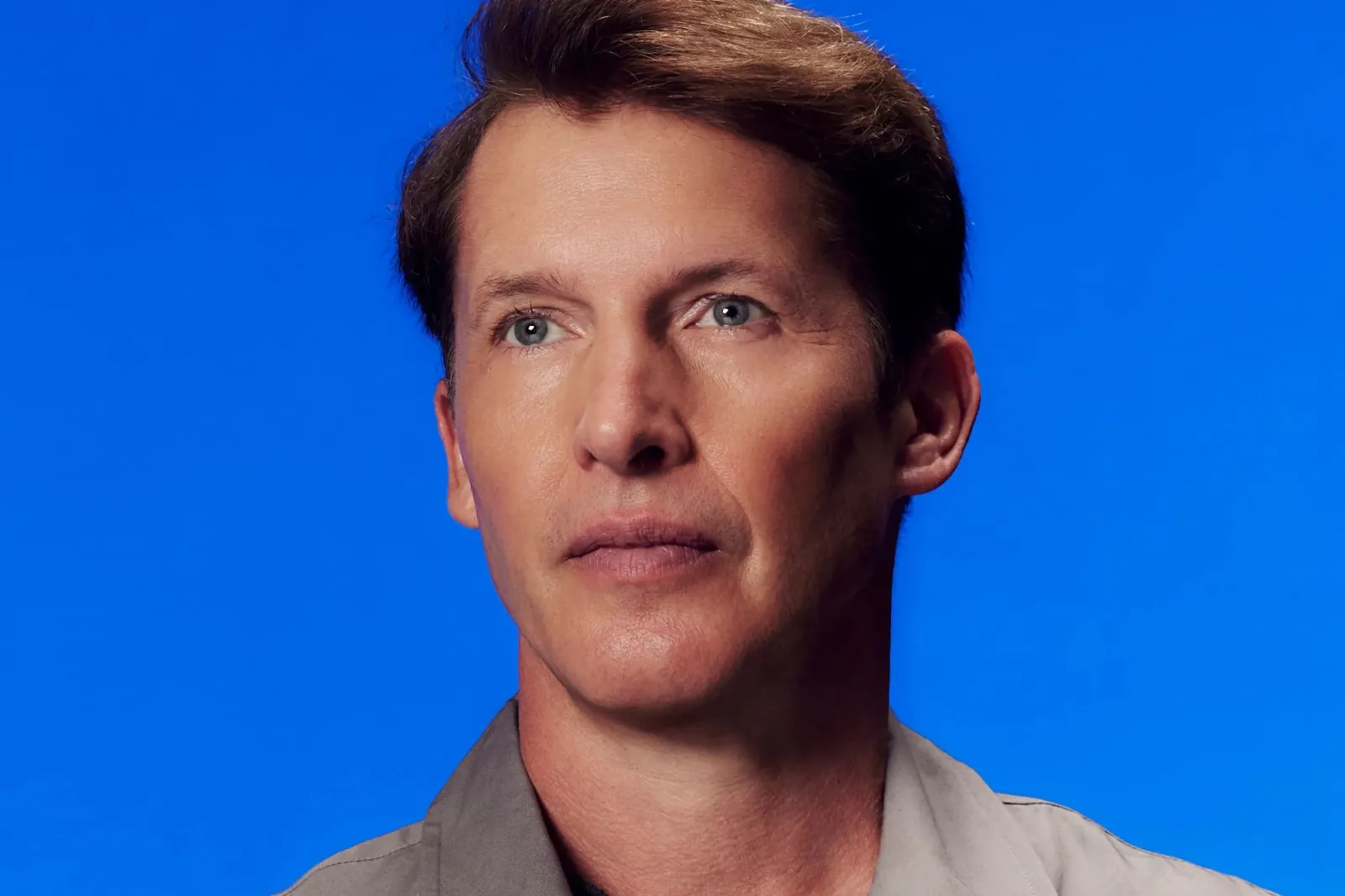
English singer-songwriter James Blunt has opened up about his dramatic final banishment on the television show Celebrity Traitors, reflecting on the psychological toll of the competition while releasing his eighth studio album. The 52-year-old musician, known for his self-deprecating humour, admitted that despite sharing initials with Ian Fleming's famous spy, he is far better suited to music than espionage.
Reflecting on Celebrity Traitors And Close Cast Bonds
James Blunt described his time filming the reality competition at Ardross Castle in the Scottish Highlands as a genuinely traumatic experience. He pointed out that contestants faced intense psychological pressure, comparing the setting to being trapped in a bizarre social experiment watched by the entire nation.
During his time on the show, the former Army captain formed close bonds with several fellow contestants. He praised the incredibly brave Miranda Hart, his croquet partner King Kenny, and fellow Traitor hunter Michael Sheen, noting that he and the actor became an absolute unit toward the end of the game. He also shared fond memories of interacting with Michael Sheen reacts furiously after Celebrity Traitors reveal on BBC final during the tense final episodes. Despite keeping his strict non-disclosure agreement, he revealed that even his wife genuinely thought he had won the competition because he told her nothing.
Releasing New Album Airplane Mode
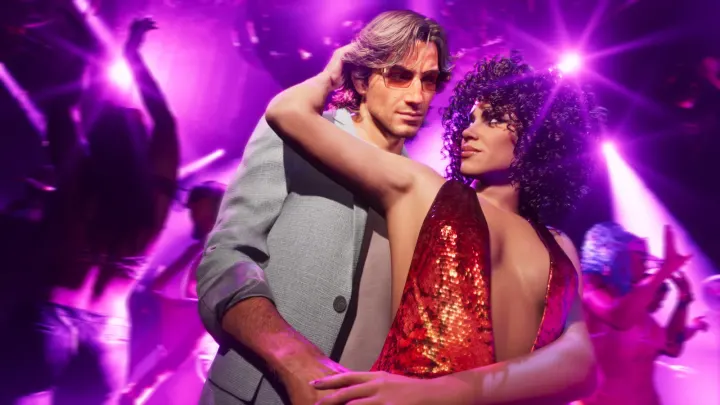
The eighth studio album by James Blunt, titled Airplane Mode, arrives today and serves as a soul-searching collection of 12 songs reflecting on hectic 21st-century lives. Recorded in Banbury with his band, the record offers an honest conversation with his own inner thoughts, drawing comparisons to the raw feel of his 2004 debut Back To Bedlam. The opening track Circles deals with insomnia, while the heartfelt love song Dancing In My Head is dedicated to his wife Sofia, the mother of their two boys.
Discussing his shift away from chasing commercial radio hits, James Blunt explained that he wrote the new tracks entirely for himself. The record explores themes of modern isolation and digital age pressures, though it also makes room for glimpses of joy and personal catharsis.