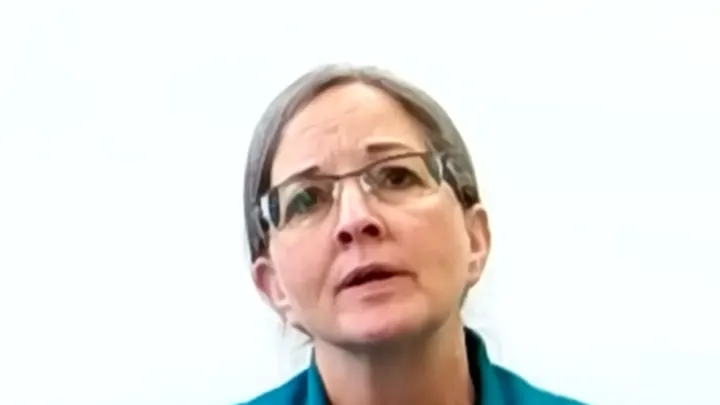
Marina Litvinenko spent the last twenty years campaigning against Vladimir Putin's regime after her husband Alexander Litvinenko was fatally poisoned with polonium-210 in a London hospital in 2006.
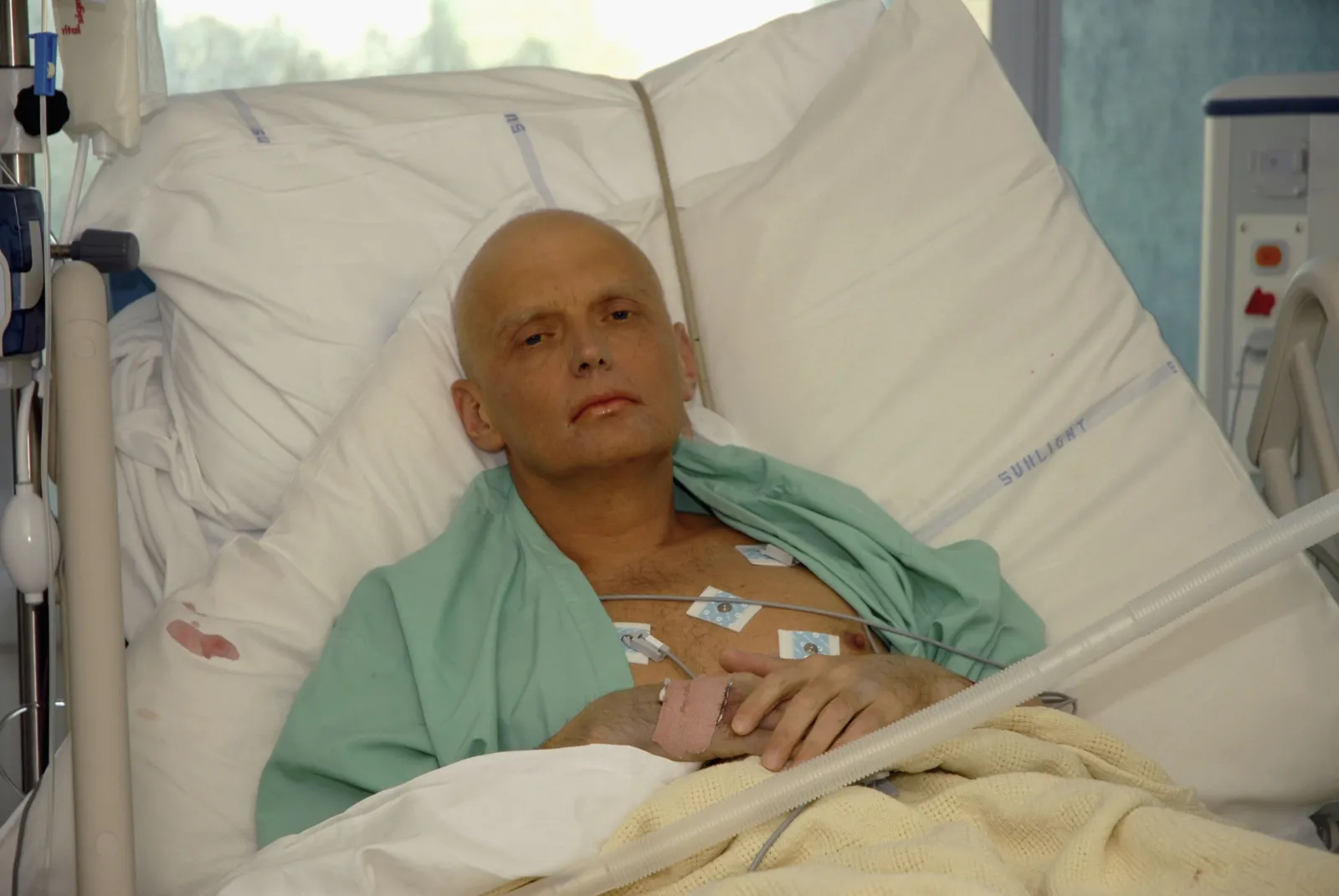
During his final hours at a London hospital, Alexander posed for an extraordinary photo that remains instantly recognisable two decades later. His widow Marina initially begged him not to take the disturbing picture while he lay dying from the radioactive poison slipped into his tea.
Marina recalls hating the idea at the time because she still believed Alexander would recover and did not want the world to see him in that condition. However, she now recognises the immense importance of his courage and integrity captured in the frame.
The Poisoning and Investigation in London
Alexander Litvinenko turned out to be the first confirmed victim of polonium-210, a radioactive substance one hundred billion times more deadly than hydrogen cyanide. Doctors and scientists struggled initially to identify what damaged the former 43-year-old intelligence and security officer who had lived in London for six years as a critic of Putin.
Detectives from Scotland Yard pieced together evidence from a radioactive trail left across Mayfair with help from Alexander on his death bed. Western governments were initially ready to move on while courting Russian money, leaving Marina to spend ten years pushing for a public inquiry.
The resulting inquiry concluded that Alexander was murdered by Russian agents with approval likely coming from the Russian president himself. Marina notes that Putin only creates new critics by trying to silence his enemies.
Life in Exile and Whistleblowing
Alexander and Marina both grew up during the Soviet Union era before meeting at her 31st birthday drinks in 1993. Alexander worked for the security services targeting organised crime and later climbed the ranks of the Federal Security Service.
After discovering close links between organised crime and the government, Alexander was ordered to assassinate Boris Berezovsky and instead chose to speak out. In 1998, he accused the Federal Security Service of criminality and corruption during a meeting with the agency's new director, Vladimir Putin.
Facing trumped-up charges and potential imprisonment in a remote part of Russia, Alexander covertly escaped to Georgia while persuading Marina to take their son Anatoly to Spain. The family flew to London on November 1, 2000, to claim political asylum.
Continuing the Fight Against Putin
Marina Litvinenko has now detailed her battle in an account titled A Life In Fragments: Our Love, His Murder, My Resistance. She emphasises that despite the political darkness, her story with Alexander remains a love story about a wonderful and brave husband.
Following Alexander's death, Marina successfully challenged the British Government in a judicial review in 2013 after Theresa May tried to block a public inquiry. She believes the failure to act firmly against Russia in the early 2000s directly enabled subsequent attacks, including the 2018 poisoning of Sergei and Yulia Skripal in Salisbury.
Marina stresses that stopping the flow of money to Russia is essential to preventing further conflicts and civilisational destabilisation. She lives in the knowledge that Russian authorities track her movements, acknowledging she can never return to Russia out of fear of what they might force her to do.
- A Life In Fragments: Our Love, His Murder, My Resistance by Marina Litvinenko is published by Bloomsbury, available now, £22.