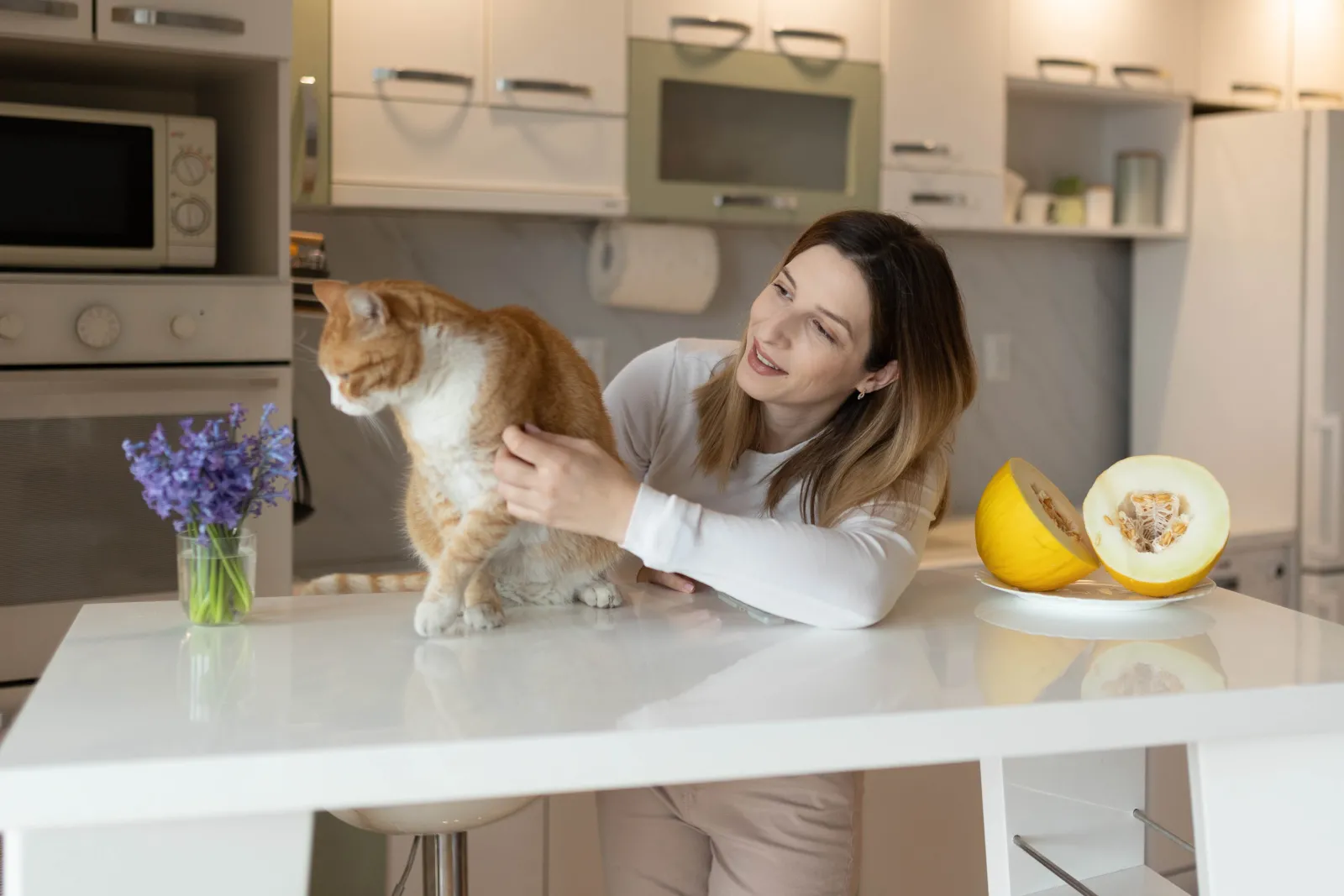
Sean, the head vet at tailored pet food firm Tails.com, has spent ten years helping animal owners with their queries regarding pet care, nutrition, and behavior. He says if a pet is acting funny, is under the weather, or if owners want to know about nutrition or exercise, they can just ask to help keep pets happy and healthy.
Sheila Dudley from Plymouth asked if cats know their name or just respond to tone, writing that her kitty Heathcliff ignores her for fun while she and her husband argue over whether the cat is snubbing them. Sean says the evidence suggests cats really do recognise their own name, with studies showing they can distinguish it from other words even when spoken by strangers, though whether they choose to respond is entirely different. Unlike dogs, cats tend to weigh up whether it is worth getting out of bed before acknowledging your existence, meaning they often know exactly what we are asking and are just very selective about when they feel like cooperating.
Justin Blake from Middlesbrough asked if the loud wheeking sound his guinea pigs Bert and Boris make when let out for a run is a sign of happiness or distress. Sean says the joy of these little pets includes that loud, excited wheek sound, which is usually one of the classic signs of a happy, expectant guinea pig. It particularly happens when they see you, hear the fridge, or anticipate being let out, as guinea pigs often wheek when they are excited about food, attention, or something they associate with good things, suggesting these particular animals have trained their owner well.
Lizzie Brown from Chichester in West Sussex wrote that one of her goldfish died after six months while the other three fish seem fine despite having a filter, plenty of plants, careful feeding, and a precautionary water change, asking if she needs to worry about the remaining fish. Sean says losing one fish doesn't mean the others are at risk, particularly if they are all behaving normally, though he recommends keeping a close eye on them over the next couple of weeks for changes in appetite, swimming, or breathing. Testing the water for ammonia and nitrate is always worthwhile after an unexplained death, and the owner appears to be doing many of the right things already.
John Barker from Leeds asked about his ten-year-old cat Molly who is a bit bald near the tail despite regular vet flea treatment, wondering if it could be overgrooming related to a new neighbourhood cat and a few spats. Sean says even with regular flea treatment, overgrooming around the tail and lower back can be triggered by stress as well as skin disease, and territorial disputes can leave cats feeling anxious. He suggests asking the vet to rule out allergies or skin infections first while trying to reduce stress with extra hiding places, elevated resting spots, and calming supplements, plus keeping the new cat away from the cat flap and garden.
Background on Pet Behaviour and Veterinary Care
Understanding feline and rodent behavior requires looking at natural instincts developed over generations of domestication and wild ancestry. Domestic cats retain many solitary predatory traits, which explains why their responsiveness differs markedly from social pack animals like dogs. Research into domestic animal cognition consistently demonstrates that companion animals process human language far more comprehensively than they outwardly demonstrate through physical reactions.
Rodents such as guinea pigs are social herd animals that rely on vocalizations to communicate emotional states within a group setting. The distinct wheeking sound serves as a high-arousal call associated with anticipation, particularly around feeding times and environmental enrichment. Proper husbandry for aquatic life similarly depends on rigorous chemical balance monitoring, where biological filtration systems manage waste products like ammonia and nitrates to prevent sudden ecosystem disruption.
Understanding Feline Stress and Territorial Dynamics
Territorial anxiety in domestic cats frequently manifests through dermatological conditions caused by excessive licking and grooming. When unfamiliar felines encroach upon established territory, resident animals experience psychological distress that triggers displacement behaviours. Engaging in repetitive grooming releases endorphins that temporarily soothe anxious animals, eventually creating a compulsive physical habit that damages hair follicles.
Mitigating these environmental stressors involves careful territory management inside the home and securing entry points against stray or neighbourhood animals. Providing vertical spaces, secure retreats, and pheromone diffusers helps restore a sense of security for cats dealing with perceived threats outside their windows or doors. Consulting qualified veterinary professionals ensures that physical ailments are properly diagnosed and separated from purely psychological responses to environmental change.
Charity Partnerships and Pet Rehoming Efforts
PET charity Blue Cross teamed up with Ipswich Town Football Club for a pawsome photoshoot to mark the launch of the club's pet range. Ex-racing greyhound Jimmy joined cats and dogs who modelled the collection, from bowls to bandanas, at the charity's rehoming centre in Wherstead. Many of the pets who took part have already scored a result of their own, heading off to loving new homes, but Jimmy and fellow greyhound Reenie are still waiting.
Charles White, Centre Manager at Blue Cross Suffolk, said: "We'd love to see Reenie and Jimmy score their own forever homes. We hope the range will encourage more people to consider rehoming a pet from Blue Cross." See bluecross.org.uk for further details on adoption processes and supporting the organisation's ongoing animal welfare initiatives across the region.
Festive Pet Food Bundles and Treats
The Christmas countdown is under way, and natural dog treat company Denzel's is offering five lucky readers a £50 festive prize bundle which includes a dogs' advent calendar worth £15. For a chance to win, send an email headed DENZEL'S to sundaypets@the-sun.co.uk by November 22. Products from the brand are available at Ocado, Pets At Home, or denzels.co.uk, and standard terms and conditions apply to the promotional giveaway.
Dangers of Online Quick Fixes in Animal Training
Telly dog expert Victoria Stilwell has spoken out about the dangers of unqualified social media dog trainers promoting quick fixes. The Certified Dog Behaviour Consultant and host of TV series It's Me Or The Dog said: "Social media can be a wonderful place to learn, but it's also given a platform to self-proclaimed experts who have little understanding of canine behaviour. A dramatic transformation in a 30-second video tells you nothing about how that dog is feeling."
The warning comes after the Dogs Trust National Dog Survey 2025 found 90 per cent of owners experienced at least one behavioural problem with their dog. Pet Remedy and Companion Animal Wellness have launched Ask The Professional, to give pet owners affordable access to experienced, qualified behaviour professionals.
Andrew Hale, emotional wellbeing expert at Pet Remedy, said: "When people are worried about their animals, they need compassionate, individual guidance rather than a viral training formula which takes no account of the animal in front of them." For more information about Ask The Professional, see petremedy.co.uk.