How Alex Ferguson Started at Manchester United
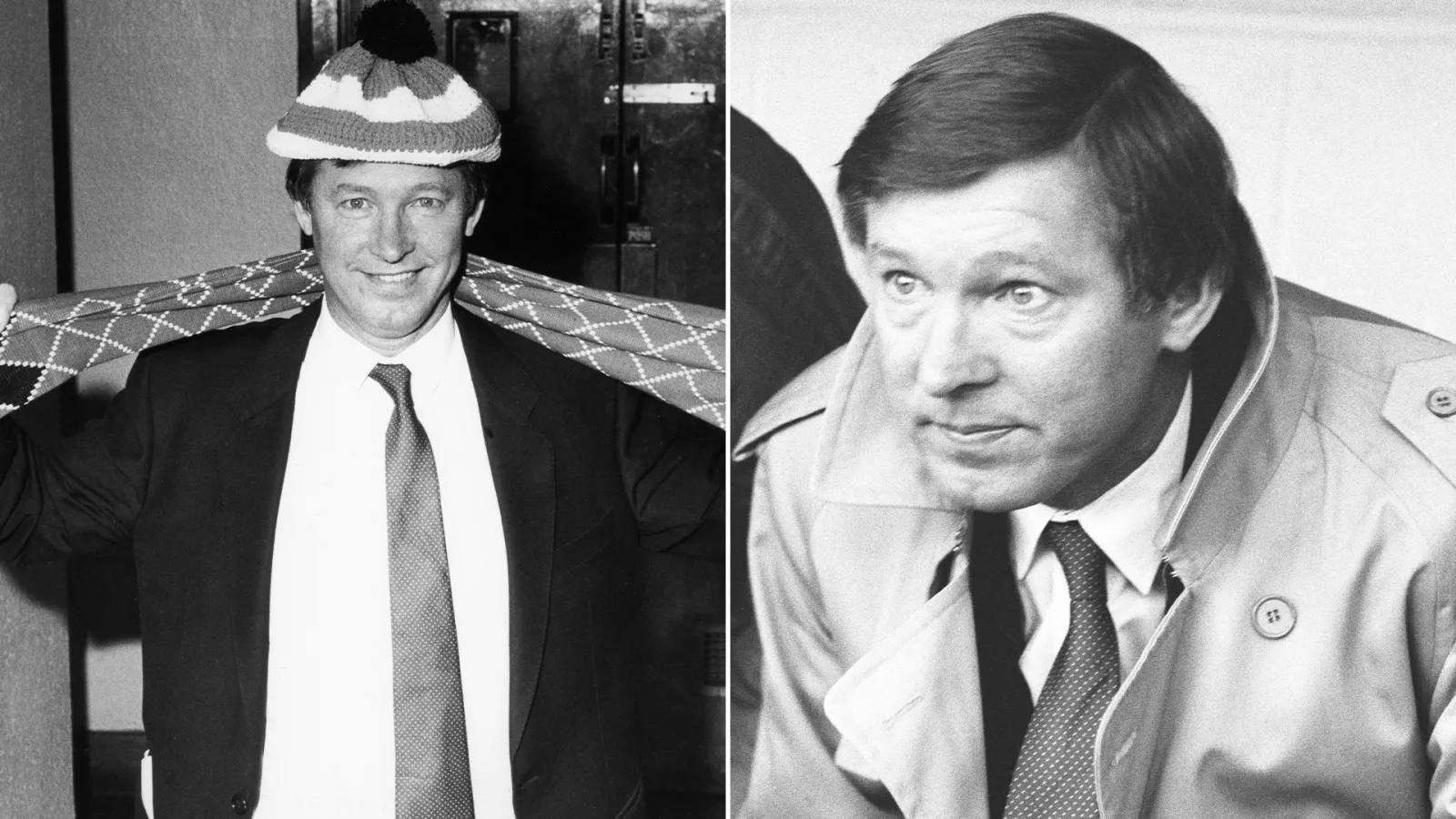
Alex Ferguson stepped into the tiny away dressing room at the Manor Ground with the famous hairdryer left unplugged following a 2-0 defeat to Oxford United in November 1986. Having just replaced the sacked Ron Atkinson, the new manager offered a few quiet words to the struggling squad before heading back to his family home in Aberdeen on that Saturday night. Oxford owner Robert Maxwell prowled the boardroom and stand to bask in the spotlight of the Scottish manager arriving, while a stony-faced boss sat in the cramped dugout surrounded by photographers.
Midfielder Clayton Blackmore, 62, recalled that Gordon Strachan and Bryan Robson missed the game due to injuries. Strachan, who previously played under the coach at Aberdeen, had warned teammates about how fiery and intense he could be. Blackmore noted that there was no eruption and no hairdryer on that particular day, adding that he even saw the manager smiling.
The Calm Before the Storm Against Wimbledon
The defeat dropped Manchester United to 20th and third-bottom of the old First Division, serving as merely the calm before the storm. Within three weeks, following a 1-0 loss to Wimbledon at Plough Lane, that hairdryer was on full blast. Peter Barnes laughed off a story that he dived under the bath water after the match to avoid a tongue-lashing from the manager. The 69-year-old, who returned to Manchester City by January, explained that the tale was just a joke since there was only about three inches of water anyway.
Strachan spread the story for a laugh and it stuck with the group. Barnes sat with a towel around him after featuring as a substitute, watching goalkeeper Gary Bailey receive criticism first. Norman Whiteside, Kevin Moran, and Paul McGrath also faced the wrath, while captain Bryan Robson avoided the immediate anger.
Unmistakable Warnings and Cultural Reshaping
The manager told the squad in no uncertain terms that this was Manchester United and players were not going to mess around. He shouted that he had not taken the job to mess around and demanded that players either play for the shirt or find the door. He also warned full-back John Sivebaeck that if he did not learn how to defend, he was on the next boat back to Denmark. Blackmore admitted that before the Oxford game, he could not understand a single word of his first conversation with the new boss at the training ground.
Ferguson soon became very clearly understood throughout the dressing room. Blackmore mentioned that the manager could often be really nice and kindly, but would erupt out of nowhere. During the following season in October 1987, after the team had briefly topped the table, the coach walked in and told them to do their own team talk. When Robson offered basic instructions, the manager went mad at them despite being two goals up at half-time.
Building a Legacy and Youth Revolution
Blackmore stood as the only player from the debut line-up, alongside Robson, who celebrated the first of 13 Premier titles in 1993. The rest of the squad departed within 18 months, with substitute Jesper Olsen lasting until 1988, Strachan leaving a year later, and Sivebaek sent to Saint-Etienne on a plane in 1987. That brutal cull marked the start of a revolution on the road to a knighthood as the most successful manager in history. Barnes recognized that the Red Devils boss was shaping a new future almost from his first kick-off.
The transition began with Ferguson Fledglings including Lee Sharpe, signed from Torquay as a replacement for Barnes, alongside Russell Beardsmore and Lee Martin. The Class of 92 followed with Ryan Giggs, Paul Scholes, the Neville brothers, David Beckham, and Nicky Butt. Barnes recalled hosting a gathering at his house where Sir Alex turned up and remarked that City had the best youth policy in the country and United needed to match it.