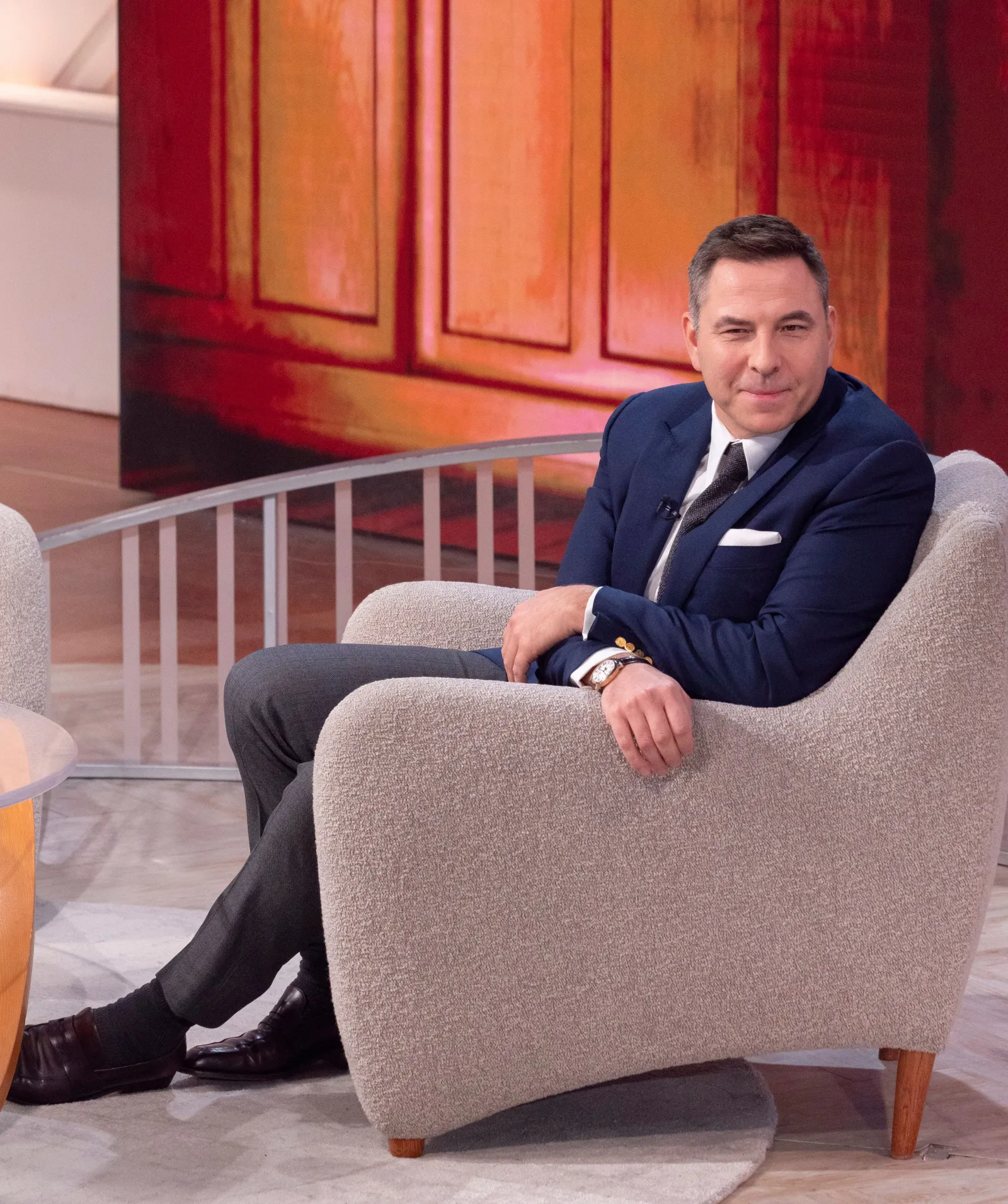
Former Britain's Got Talent judge and children's author David Walliams faces accusations of sexual misconduct, grooming, and inappropriate behaviour brought by multiple women following a joint three-year investigation by ITV News and The Guardian.
As part of the investigation, a new documentary titled David Walliams: Power and Silence airs tonight on television and streams online for viewers wishing to watch the broadcast.
The programme examines claims dating back to 2003, centring on accounts from women who state that Walliams used his celebrity status to pursue them during their teenage years.
The broadcast follows an unsuccessful High Court bid by Walliams to block reporting on the matter regarding mental health grounds, which a judge dismissed due to overwhelming public interest.
Walliams strongly denies all allegations of unlawful conduct or predatory behaviour, insisting he never abused his power while expressing regret for past actions.
Here is a full breakdown of the allegations, the response from Walliams, and the legal battle that preceded the television broadcast.
What are the allegations against David Walliams?
Multiple women have accused David Walliams of sexual misconduct, including incidents that occurred when they were teenagers.
The allegations date back to 2003 and involve claims that the former television judge used his fame to target young girls and women.
One woman, identified as Jade, stated she was 15 and Walliams was 36 when they met in August 2007 after she left a comment on his MySpace profile.
She alleged that Walliams invited her to his house, where he touched her inappropriately and attempted to slide his hand inside her trousers.
Jade described the incident as amounting to sexual assault and grooming.
Another woman, identified as Alex, alleged she was engaging in sexual activity with Walliams by the time she reached 17 after he initiated contact when she was 15.
Alex claimed Walliams pressured her into sending nude photographs and that she felt groomed by him during that period.
She noted that she engaged in consensual sexual relations with Walliams on three separate occasions when she was 17 and 18 years old.
A third woman, former model Lilly Creightmore, stated she was 18 when Walliams first reached out to her in 2003, claiming he pursued her for sexual gratification.
Another model, identified as Ella, alleged that Walliams attempted to kiss her and engaged in unwanted physical contact at his residence in 2007 when she was 19 and he was 36.
A woman known as Sarah stated that Walliams stroked her leg and tried to kiss her at his home in 2016 when she was 18 and he was 44.
She mentioned that Walliams had initially invited her and her friends to his hotel, where they consumed burgers, chips, and ice cream.
Abby Tomlinson stated she was 17 when she and a 13-year-old girl were left alone with Walliams inside his dressing room during the recording of Britain's Got Talent in 2015.
The documentary also presents claims of inappropriate conduct and sexual harassment involving staff members from the television programme.
How has Walliams responded to the claims?
David Walliams denies any wrongdoing and firmly rejects all allegations of inappropriate behaviour.
In a letter directed to journalists, Walliams wrote that looking back made him realise he sometimes behaved thoughtlessly toward people with whom he had casual sexual relationships.
He noted that he failed to properly consider other people's feelings, which remains a source of regret for him.
He added that while a power imbalance is unavoidable when one person is famous, abusing that power is entirely different and something he never did.
Walliams also stated that he is not a sexual predator and has not broken the law, though he feels devastated that certain women he met ten to twenty years ago now express hurt or anger toward him.
Legal representatives for Walliams asserted that the suggestion he groomed Alex is false and has caused him considerable distress.
Fremantle UK, the production company behind Britain's Got Talent, stated that no complaints were ever lodged regarding Walliams during his tenure on the show.
Syco Entertainment, the creator of the programme, indicated it had no knowledge of the allegations and received no awareness of them at the time.
What happened with the High Court injunction?
David Walliams initiated legal action against Independent Television News and Guardian News and Media to stop the publication of the allegations.
He sought an injunction over fears that publication would lead him to take his own life, having previously attempted suicide twice.
His legal team argued that the reports would produce a potentially fatal consequence for his mental well-being.
However, a High Court judge dismissed the injunction application, ruling that a strong public interest supported publishing the allegations.
Walliams held until 4.30pm on November 9 to appeal the ruling but failed to meet the deadline, resulting in the removal of his anonymity.
His lawyers stated that Walliams holds no plans to return to public life.
When is the David Walliams documentary on ITV?
The documentary titled David Walliams: Power and Silence broadcasts at 10.50pm tonight on ITV1.
The television programme has a scheduled duration of one hour.
How can you live stream the documentary now?
Viewers do not need to wait for the scheduled television broadcast to watch the investigative report.
The documentary is available for streaming immediately on ITVX.
It has additionally been published in full on YouTube, allowing audiences to view the programme on the official ITV News YouTube channel.
Background
Broadcasting organisations and major print publications frequently conduct long-term investigations into high-profile public figures when credible claims emerge from multiple sources. Such collaborative reporting projects often require months or years of verification, legal reviews, and safety assessments before publication or broadcast. High-profile figures facing serious allegations often use privacy laws and injunction requests in the courts to manage public disclosure and protect personal wellbeing.
What happens next
Following the broadcast of the documentary and the lifting of reporting restrictions, public scrutiny surrounding the television personality and associated production companies continues to develop. Legal bodies, broadcasters, and independent commissioners frequently review workplace policies and safeguarding measures in light of extensive media investigations. Further developments depend on potential formal investigations by law enforcement agencies or additional statements from involved parties.