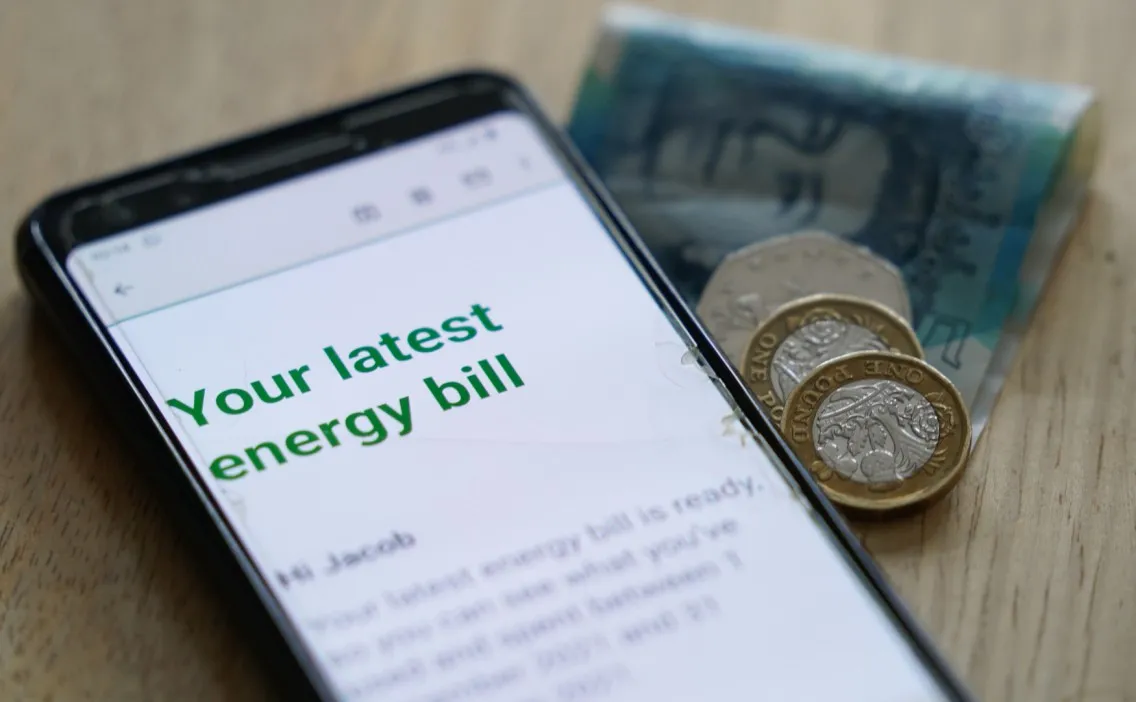
Millions of households across the region are facing a fresh energy bill nightmare, with costs set to rocket £443 in January, according to new forecasts. The hike would see a typical household's annual energy bill leap by roughly 26 percent, according to energy research firm Cornwall Insight.
That projected increase would push the Office of Gas and Electricity Markets price cap up by about £443, taking the average household's annual energy bill to roughly £2,166 from the start of January. Such a change would drive bills to their highest level since the year 2023.
Families are already feeling the financial pinch after the price cap rose 4 percent in October, taking the typical dual-fuel bill from £1,663 to £1,723 a year. That followed a 13 percent hike back in July, meaning consumers were already dealing with higher costs before this latest wave of wholesale price increases even hit their bills.
Consider Switching To A Fixed Tariff
Households can take concrete steps right now to bring down their energy bill before the new year arrives. The cost of wholesale gas has jumped by almost a third in a month to reach its highest level since November 2022.
Consumers on standard tariffs still have time to secure a fixed deal to avoid paying higher energy rates starting January 1. An 18-month tariff from supplier Fuse Energy costs £1,759.35 a year for a typical home, which sits £406.65 below the predicted January forecast.
Other cheap deals currently available on the market include a 16-month fix from Fuse Energy for £1,778.77 a year and a 12-month fix from energy firm EDF at £1,902.72. Price comparison platform Uswitch.com is actively urging households on standard variable tariffs to lock in a good fixed deal to avoid the impending cost surge.
Sabrina Hoque, energy expert at Uswitch, said: "If you're on a standard variable tariff, or your fix is about to end, you'll be hit by this increase, but for most customers there is an escape route."
Hoque added: "The cheapest fixed deal on the market is £1,759 a year for a typical home. That's £407 below the forecast January cap. Locking in a lower rate now will avoid January's bill shock. It only takes a couple of minutes to run a comparison and find a better deal before the hike lands."
Start Turning Off Vampire Devices
According to utility provider British Gas, wireless internet routers are the biggest culprits when it comes to wasting electricity in the home. Most people leave these routers switched on constantly even when they are not home, when they are asleep, or when they go away on holiday. This constant power draw adds up to £32.60 a year to an average energy bill.
Leaving the television on standby mode can add up to £30.60 a year to a household bill, while a set-top television box such as a Sky box can add £25. Leaving kitchen microwaves plugged into the wall when they are not actively being used can cost consumers up to £21.70 annually.
Entertainment consoles such as a PlayStation or an Xbox can add £16.10 to annual costs, and desktop computers contribute an extra £14.80. Smart speakers and home assistant devices such as Amazon Alexa can drain an extra £13 every year by remaining powered on while not in active use.
Larger household appliances such as dishwashers and washing machines, which people do not tend to unplug manually, actually cost less in standby waste at £9.10 and £6.30 respectively. British Gas calculates that households could save £147 a year just by unplugging these various electrical devices while they are not being used.
Marc Robson, energy expert at British Gas, previously explained to the media that households should switch appliances off directly at the mains wall socket rather than leaving them sitting on standby overnight. Robson said: "Try not to overcharge your mobile phone and laptop unnecessarily. As soon as your device is charged, try and get into the habit of unplugging it."
Robson also suggested purchasing a single extension lead for multiple devices so users can easily switch everything off at once before bed, or investing in a smart plug that allows remote power control from a mobile phone. For more ways to reduce household expenses, see seven cheap energy-saving gadgets that slash heating bills to find additional practical tools.
Bleed Your Radiators
Clive Holland, lead presenter at Fix Radio and a former builder, stated that checking home radiators right now could save consumers money once the central heating goes on properly for the winter season. Holland previously told reporters to get the heating running and check every radiator thoroughly to identify any performance issues.
Holland said: "Get your heating on and check every radiator properly. If you find a radiator is cold across the top, it may need bleeding. That can usually be done with a radiator key or, depending on the valve, a flat-headed screwdriver, but make sure the heating is switched off before you start. Sludge in the system is another thing to look out for if radiators aren't heating as they should."
Move Your Furniture
Commercial furniture expert Elliot Brierley, who serves as managing director of Rosehill, notes that applying heating principles commonly used in commercial offices and retail shops can help households cut their heating costs by roughly 5 percent to 10 percent. This adjustment is worth up to £120 to £125 a year in savings.
Brierley warns against placing bulky furniture pieces too close to radiators, which traps warm air instead of allowing it to circulate freely around the living space. He recommends leaving a clear gap of six to twelve inches between all furniture items and radiators.
Brierley previously told reporters: "Many people are unknowingly blocking the flow of warm air in their home. Ideally, there should be a six to twelve inch gap between furniture and radiators, as this stops air being trapped and absorbed by furniture instead of circulating freely to heat the room."
He added that people should also avoid blocking radiators or wall vents by using them to dry wet clothes indoors. The damp garments block heat from entering the room, forcing the home boiler to work much harder to warm the physical space.
Brierley also suggests that households with open-plan living layouts take inspiration from the commercial world by using items like sideboards or decorative screens to divide larger spaces and reduce draughts without covering up heat sources. He noted: "Being clever with how you arrange furniture in your home can result in a noticeable saving to heating bills. Commercial spaces are a good place to look for inspiration on how to do this, as they are often looking for ways to lower their operating costs and ensure that they comply with environmental targets or energy regulations."