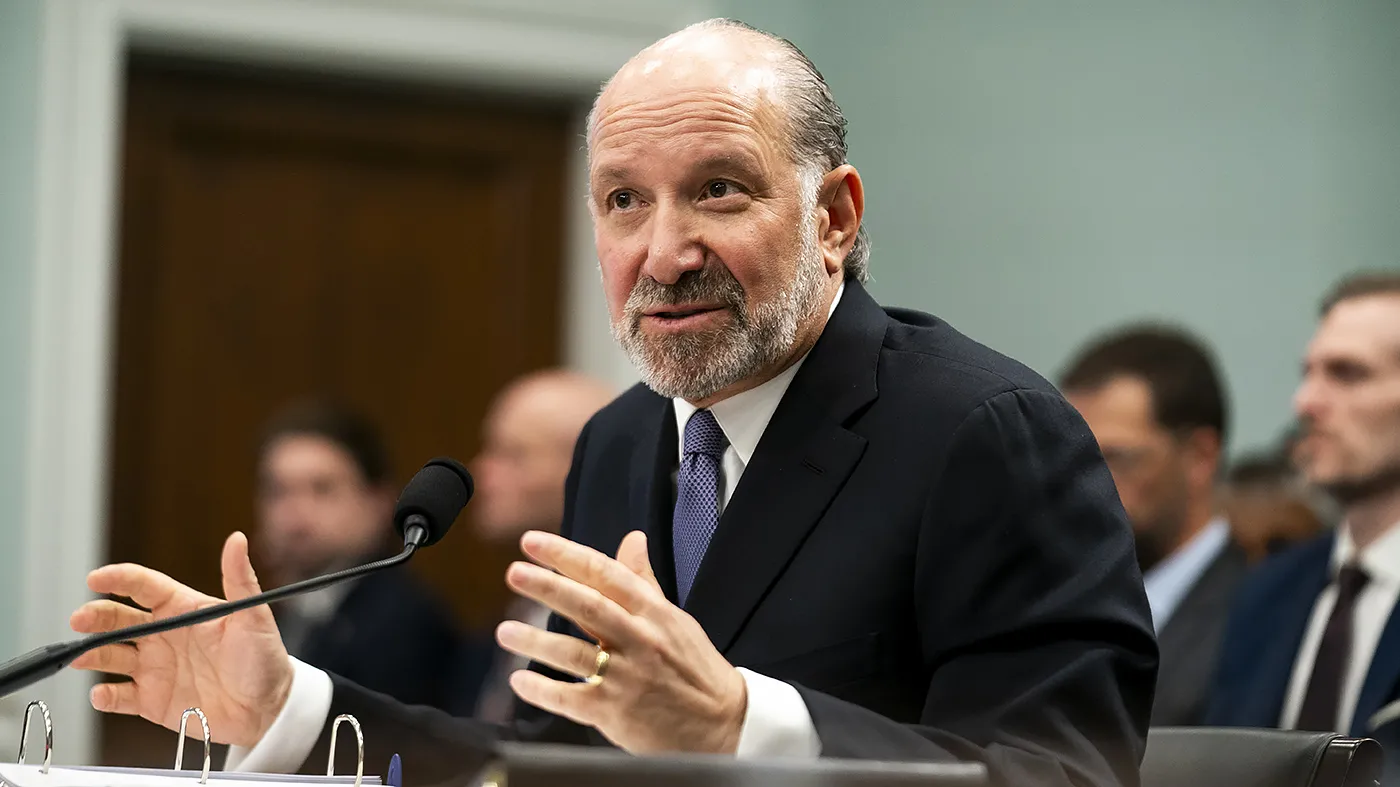
Commerce Secretary Howard Lutnick is facing heat in Washington over his stance on artificial intelligence chip export controls following Nvidia's national security scandal this week. The official is under scrutiny after reports emerged that he took a softer line on the technology giant regarding chip sales to China and failed to place the Singaporean firm Megaspeed on the trade entity blacklist.
In the face of calls to testify from both sides of the aisle, Howard Lutnick agreed to appear before Congress, but the blame game is already starting within the Trump administration. Treasury Secretary Scott Bessent pointed fingers during a media appearance on Friday regarding the handling of export restrictions and internal bureaucratic processes.
Treasury, War, United States Trade Representative, and State departments were in favor of putting Megaspeed on the entity list for months, Scott Bessent said Friday on CNBC's Squawk Box. Commerce has the pen, and individuals will have to ask them about their internal processes, Bessent added, referring to the Bureau of Industry and Security housed within the Commerce Department.
Megaspeed sits at the center of the ongoing Nvidia scandal, an ordeal that led the company's founder, Jensen Huang, to resign as chief executive officer on Thursday. Reports indicate Huang had an affair with a former Megaspeed executive whom United States intelligence officials believe may be a Chinese spy.
It remains unclear when Trump administration officials were made aware of the intelligence community's suspicions, but Scott Bessent's comments signal the administration understood the risks involving Megaspeed. Marshall Billingslea, who worked at the Treasury Department during Donald Trump's first term, noted it is quite unusual for a treasury secretary to go public about cabinet-level discussions concerning a matter as sensitive as the Nvidia-Megaspeed affair.
To his credit, Scott Bessent and Secretary of State Marco Rubio's team have consistently been right on this topic, while Howard Lutnick just ran roughshod over everyone, Marshall Billingslea wrote on the social platform X.
Background on Export Controls and Trade Lists
Export controls serve as a primary mechanism for the United States government to restrict foreign access to sensitive technologies, particularly advanced semiconductors used in artificial intelligence and military applications. The Bureau of Industry and Security operates as a division of the Department of Commerce, managing the entity list that restricts commerce with foreign businesses deemed a threat to national security. Cabinet departments collaborate through interagency reviews to determine which foreign entities warrant placement on trade restriction registries.
The Department of Commerce retains primary authority over issuing export licenses and administering trade blacklists, which often generates friction with defense and treasury counterparts. Interagency disagreements frequently surface when economic interests clash with national security objectives, especially regarding major multinational corporations operating in global markets. Semiconductor manufacturing and design represent a critical sector where policy decisions directly influence geopolitical relations and technological competitiveness.
The Role of Megaspeed in the Technology Sector
Megaspeed is a Singapore-based firm that has drawn intense scrutiny from federal regulators and intelligence agencies over its commercial ties to major American semiconductor manufacturers. International trade routes and foreign subsidiaries often become focal points for compliance investigations when high-end processors are diverted to restricted jurisdictions. Semiconductor supply chains span multiple countries, making oversight complex for regulatory bodies attempting to prevent unauthorized technology transfers.
Singapore functions as a major hub for international trade and electronics distribution in Southeast Asia, hosting numerous regional headquarters for global tech firms. Regulatory compliance requires rigorous screening of end-users to ensure that advanced computing hardware does not reach entities or individuals linked to foreign military intelligence services. The intersection of corporate partnerships and foreign intelligence operations creates persistent vulnerabilities within the global technology ecosystem.
Congressional Oversight and Legislative Response
Congressional committees possess broad oversight authority to investigate executive branch decisions, cabinet official conduct, and potential regulatory failures. Lawmakers from both political parties frequently use committee hearings to question cabinet secretaries regarding policy implementation, interagency disputes, and national security matters. Oversight proceedings often examine whether administrative agencies adequately enforced existing trade laws and protected sensitive domestic industries from foreign espionage.
Requests for testimony from cabinet members follow established protocols when significant policy controversies or security breaches emerge involving federal agencies. Committees such as the oversight and commerce panels can compel officials to provide sworn testimony and submit internal documents for legislative review. Public accountability sessions allow lawmakers to demand explanations for bureaucratic delays or disputed decisions regarding international trade restrictions.