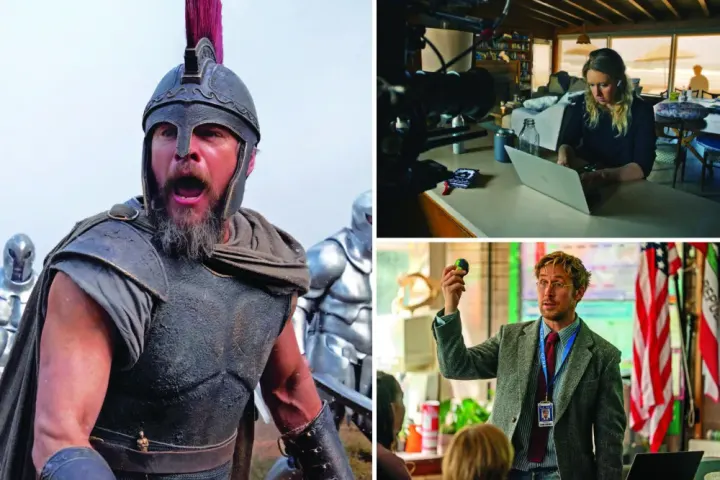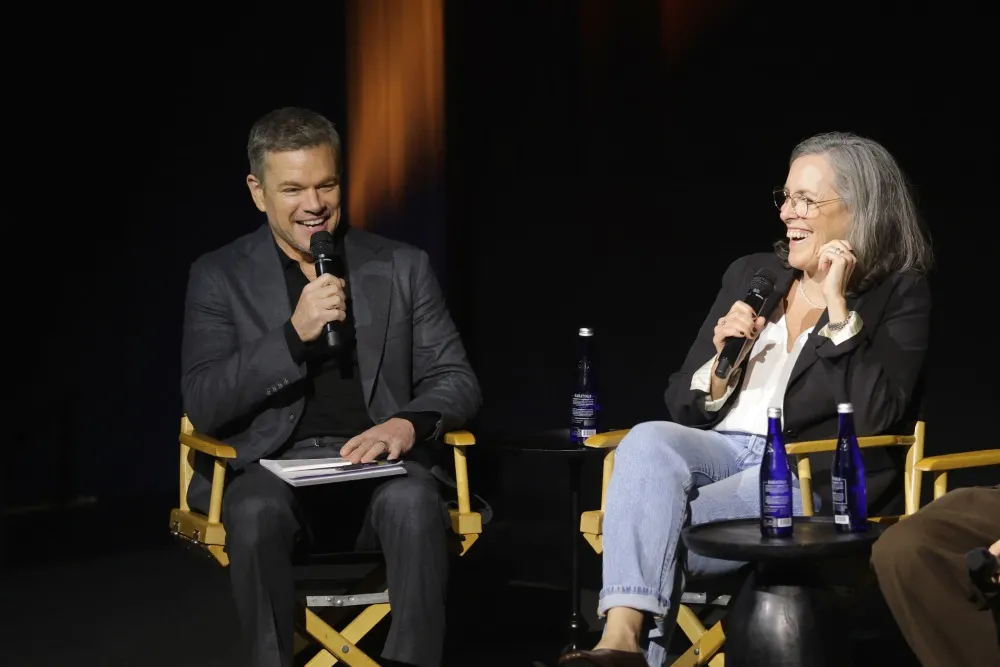
A new 75-minute documentary titled Behind the Scenes of The Odyssey chronicles the creation of director Christopher Nolan and his $1.8 billion blockbuster. The film premiered at the Spielberg Theater on the Universal Studios lot, kicking off an awards-season screening campaign for the highest-grossing picture of the director's career.
Sound Design and Matt Damon Audio
Matt Damon revealed that he did not have to re-record a single line of dialogue for The Odyssey, a rarity for a production of this scale. Production sound mixer Willie Burton explained that Christopher Nolan maintains strict rules against automated dialogue replacement and insists that boom microphones operate on cables.
The commitment to capturing sound on set extended to the ship itself. Burton ran cables under floorboards and mounted microphones on the hull, while supervising sound editor Craig Henighan sent a crew to record the vessel for real, including every oar stroke.
Visual Effects and Costume Decisions
Christopher Nolan wanted nothing to do with cartoony Cyclops sequences, using Francisco Goya artwork as inspiration. Visual effects supervisor Andrew Jackson conducted a simple test in a dark Universal office using a desk lamp to help bring the creature to life.
Costume and wardrobe choices also faced strict oversight during production. Robert Pattinson asked costume head Gloria Casny for a long wig, but the answer was no. Tom Holland asked costume designer Ellen Mirojnick to shorten his skirt to look taller, but Christopher Nolan noticed the change within two seconds and questioned it.
Logistics and Production Challenges
The production faced severe weather and logistical hurdles, including a Trojan horse that got stuck in customs in Morocco while Christopher Nolan moved the start date up two days. Production designer Ruth De Jong recalled the prop sitting in crates before the crew planted it in the sand.
Marine coordinator Neil Andrea faced seemingly impossible obstacles when the sea tore apart one of the boats during the Laestrygonian sequence. When told getting the vessel ready for the next day was impossible, Christopher Nolan simply stated that he did not accept that answer.
Music and Score Creation
Composer Ludwig Göransson spent ten days learning to write for about 35 bronze gongs while shut inside his studio during the Los Angeles fires. From there, the musician sought out players of the ancient aulos and lyre and traveled to southern Albania to record iso-polyphonic folk singing.
The music chapter concludes at Abbey Road with vocalist James Blake. The end-credits song titled When I am Home uses Travis Scott's original vocal recording from the movie.