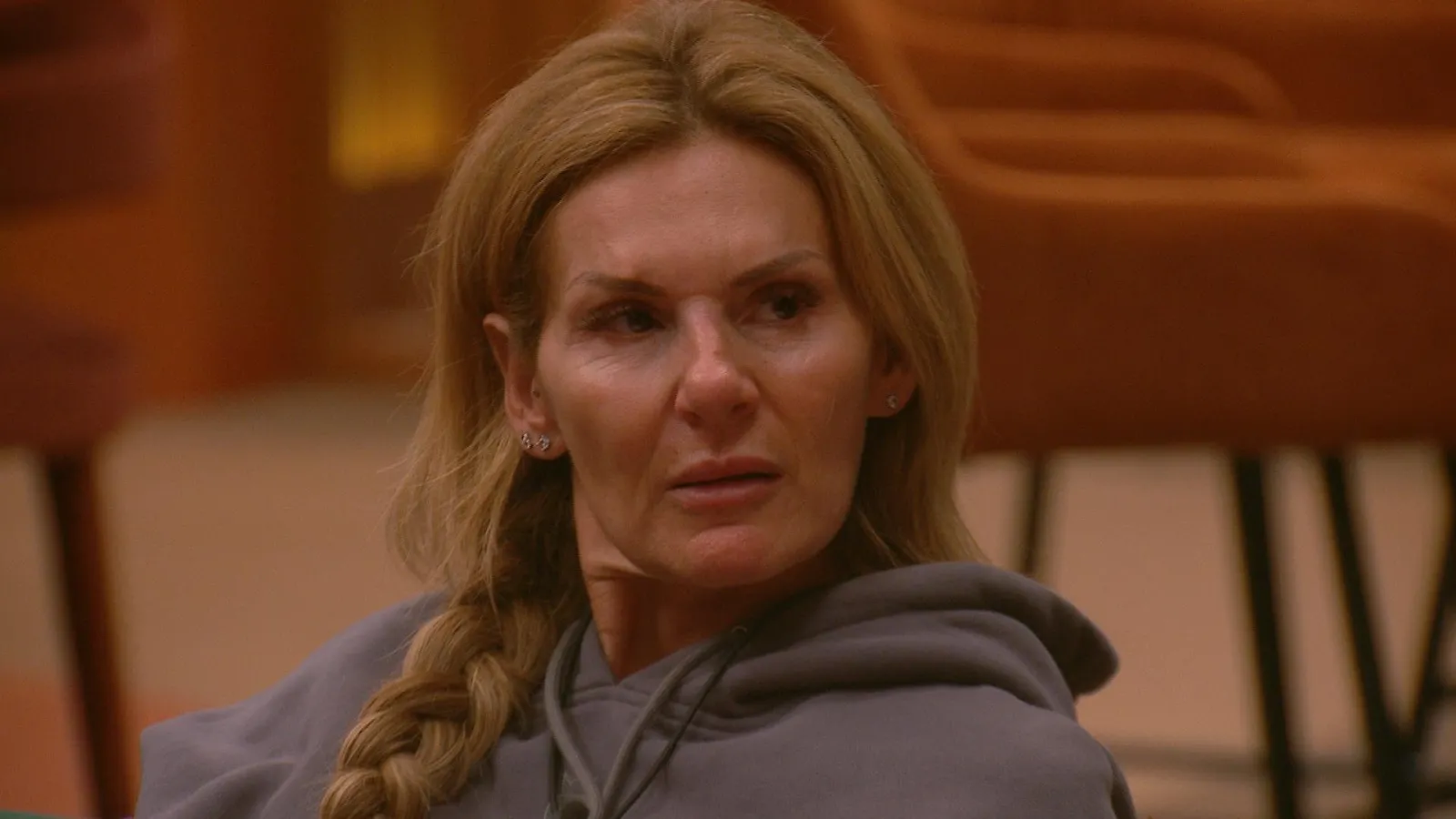
Big Brother contestant Rochelle Rackham is facing fresh allegations of racist remarks in the house after latest evictees Philip Regan and Rhianna Collins mentioned her conduct in exit interviews. Now a show insider has shared a further shocking incident that did not make TV screens, having told last month about an altercation with Lynx Noumey. It comes after axed housemates Philip and Rhianna cited offensive language as the reason why they had pulled away from Rochelle having once been close.
Speaking in his exit interview with hosts Will Best and AJ Odudu, Philip said, "She said something that I think wasn't right and I don't want to be bringing that thing up." He added, "It's something that I think is just wrong. And I've got my principles and I can't help the way I feel." The same happened with Rhianna, and she later added to the narrative during a TikTok Live, saying, "Some people didn't want to talk about what's being said and this and that, especially with the production and everything, I am going to respect that." She later stated, "I'm not going to lie, racist comments. That's it."
Behind the Scenes Allegations and Production Response
A source stated that the housemates were talking about takeaways and Rochelle made a shocking comment concerning Chinese people that was not aired as part of the edit. Programme bosses were contacted to verify the occurrence before publication. A Big Brother spokesperson said, "All Housemates receive Respect and Inclusion training and an extensive briefing from the Big Brother Senior team to prepare them for living in the House and to set out Big Brother's expectations for appropriate behaviour and language. Housemates are monitored 24 hours a day and any instances of inappropriate behaviour are responded to appropriately and promptly." On Sunday night's episode when Rhianna was evicted, Omar turned to Lynx and Twinks and expressed confusion over how Rochelle could avoid elimination despite her remarks.
Previous House Altercations and Controversies
Last month, an interaction between Lynx and Rochelle did not make screens, but led to Lynx pulling her aside to explain why her language was offensive. A source explained that Rochelle was talking to Lynx and other housemates about an incident on a train involving a man muttering to himself. Lynx was offended by the conversation and spoke to her about the language she used, though they later hugged after she apologized. The mum-of-three has been at the center of multiple controversies during her six weeks on the reality programme, including a clash with Johanne Cade that prompted 493 Ofcom complaints from viewers.
Background on Reality Television Production Standards
Reality television programmes like Big Brother operate under strict broadcasting guidelines governed by media regulators such as Ofcom in the United Kingdom. Production teams monitor participants continuously through extensive camera networks and audio setups inside a purpose built television studio. When contestants use language that breaches broadcasting codes or internal show guidelines, producers evaluate the severity of each incident before deciding whether to broadcast footage, issue formal warnings, or remove individuals from the competition entirely. Cast members undergo comprehensive vetting procedures, psychological evaluations, and briefings regarding acceptable conduct before entering the house environment. Despite these measures, high pressure living conditions frequently lead to interpersonal friction, heated debates, and controversial statements that test the boundaries of live production and editing teams.
History of Contestant Vetting and Social Media Scrutiny
Public scrutiny of reality television participants routinely extends beyond the televised episodes into historical social media activity and past public behavior. Broadcasters face increasing pressure from audiences and advocacy groups to maintain rigorous standards when selecting individuals for high profile television formats. Past online posts, deleted profiles, and previous public statements are frequently uncovered by media outlets and viewers once a contestant gains national prominence. This intense level of public oversight highlights the challenges television networks encounter when balancing entertainment value with corporate responsibility and viewer expectations surrounding inclusivity, respect, and appropriate conduct in modern broadcast media.