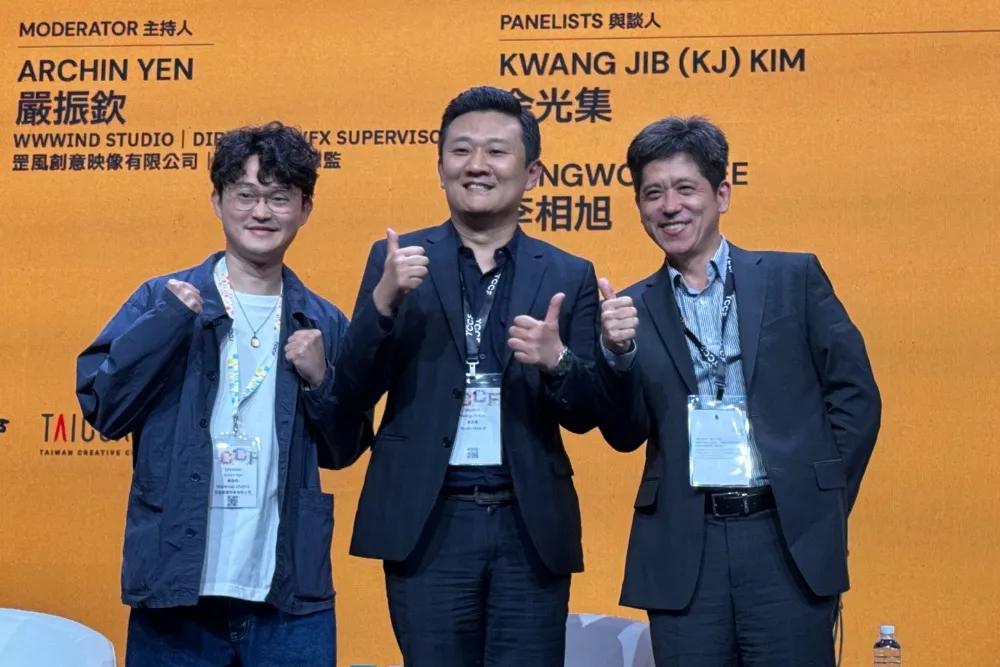
Artificial intelligence is currently reducing commercial production expenses, but surging token fees and piecemeal revisions might push feature film budgets higher than the 35mm film era, Studio Meta-K founder and CEO Kim Kwang-jib warned at the Taiwan Creative Content Fest in Taipei.
Token Fees and Production Budgets
Kim Kwang-jib stated that token bills for a 100-minute movie using expensive commercial tools can reach KRW500 million ($366,000), noting that AI companies currently operate at a loss and keep prices low for marketing purposes. If token costs increase tenfold, expenses could climb to KRW5 billion ($3.66 million), potentially surpassing traditional shooting budgets for Asian features that typically rely on live action and VFX for KRW3 billion to KRW5 billion ($2.2 million to $3.66 million).
The Studio Meta-K chief compared this financial structure to celluloid film, where digital technology later allowed unrestricted shooting without extra costs, whereas AI charges for every re-render. Managing revisions carefully determines the final budget, and Kim Kwang-jib noted that unless preproduction is solid, artificial intelligence might end up spending even more money than in the 35mm film era.
AGBO Executives Say AI Can Aid Filmmaking but Not Replace Human CreatorsRapid Technological Shifts and Feature Projects
Lee Sang-wook, head of the AI Content Lab at MBC C&I, explained that budgeting remains difficult because software tools change constantly. The lab spent approximately a year and four months producing its 139-minute feature Raphael, which opens in Korean cinemas on Nov. 25, while using emerging directors backed by the Ministry of Culture, Sports and Tourism and the Korea Creative Content Agency.
Regarding commercial advertising, Kim Kwang-jib noted that a Studio Meta-K production reduced a Pizza Hut spot from a KRW2 billion ($1.4 million) traditional budget down to roughly KRW30 million ($22,000). For narrative drama, the studio favors a hybrid model combining generative scenes with lead actors shot live, and the company is also converting Im Kwon-taek's 1993 classic Seopyeonje into an animated feature with Busan's Dongseo University.
Tool Selection and Industry Impact on Jobs
The two companies hold contrasting views on open-source software, as Studio Meta-K uses free models for simpler animated tasks while MBC C&I avoids them due to data transparency concerns regarding EU AI Act guidelines. Lee Sang-wook compared the current industry shift to the introduction of sound and digital cameras, predicting new roles like previsualization artists and continuity supervisors while emphasizing that human emotional detail remains essential.
Workers who have learned AI will replace workers who haven't, Kim Kwang-jib said, adding that human direction ultimately dictates quality because technical grammar and the final five percent of creative input depend on experienced professionals.