Residents across the United Kingdom are preparing for the first major cold snap of the season, accompanied by severe weather warnings for snow and ice from the Met Office. While winter weather brings common seasonal bugs, sniffles, and aches, certain complaints can sometimes mask more serious health conditions such as cancer, according to medical experts.
The Met Office has issued a yellow weather warning for snow across large parts of the UK, stretching from the West Midlands to southern Scotland and remaining in place from 12am to 12opm on Tuesday. As temperatures plummet, low temperatures affect the body in multiple ways by sapping energy, drying out skin, and increasing blood pressure.
How Cold Weather Chills And Sweats Relate To Cancer
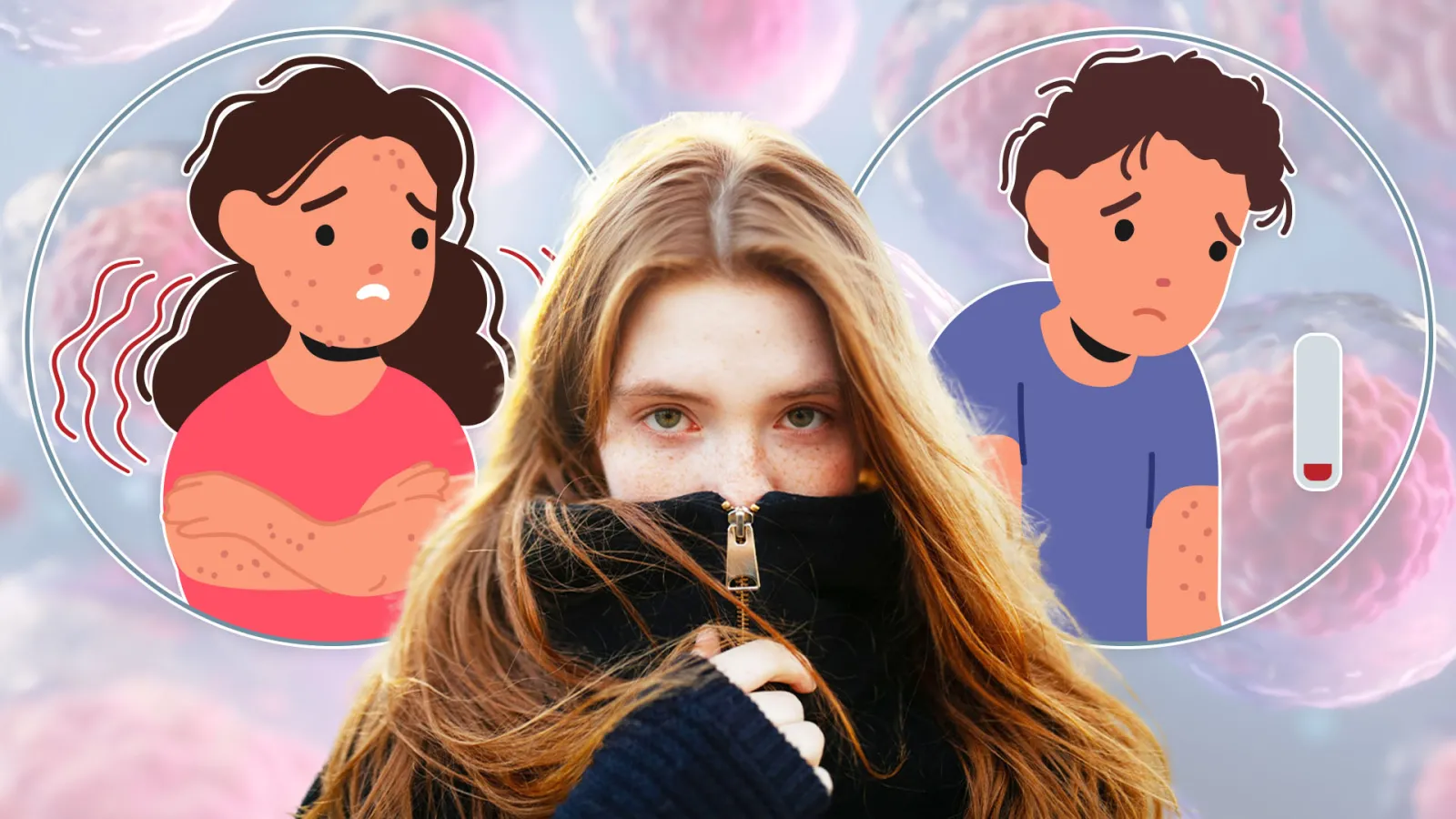
While feeling cold is standard during winter, chills and shivering are not specific cancer symptoms on their own. However, Dr Joel Newman, consultant haematologist at Nuffield Health, explains that when cancers like blood cancers affect the immune system, infections develop more easily and cause chills.
Dr Newman notes that drenching night sweats can be a symptom of blood cancers such as lymphomas, though they can also happen from overheating under a heavy winter duvet. Unlike standard daytime chills, lymphoma sweats typically occur at night and soak through bedding, pajamas, and clothing.
Lymphoma symptoms do not happen in isolation and may be accompanied by swollen glands in the neck, armpit, or groin area, skin rashes, lumps, chest pain, breathlessness, unusual bleeding, bruising, or bone pain. Extreme fatigue that does not improve with rest can also be an early sign of cancer, as the disease consumes the body's nutrients to grow and advance.
Other Winter Illnesses That Might Indicate Cancer
Cancer symptoms are frequently mistaken for common winter illnesses, including persistent coughs and shortness of breath. A persistent cough can signal viral infections like flu or COVID-19, but the NHS states it may link to lung cancer if it lasts longer than three weeks, changes over time, or is accompanied by chest pain, shortness of breath, or coughing up blood.
Shortness of breath is another common sign of lung cancer resulting from tumors blocking airways or fluid building up around the lungs, though winter illnesses and chronic obstructive pulmonary disease also trigger breathing difficulties.
When To Consult Your GP About Concerning Symptoms
Anyone concerned about persistent or worrying symptoms should consult their general practitioner for proper evaluation, according to Dr Newman. Additional warning signs requiring medical attention include unexplained weight loss, persistent coughs, changes in bowel habits, or blood loss.
Cancer Signs And Symptoms To Look Out
Being aware of new or worrying symptoms is important, and individuals should get checked out by a GP even though the likelihood of cancer is low. General signs to monitor include coughing, chest pain, breathlessness, changes in bowel habits lasting three weeks or more, persistent bloating, unexplained bleeding, and lumps in the breast or other areas of the body.
Additional symptoms that warrant a GP visit include moles that change shape or colour, unexplained weight loss over recent months, tummy or back pain, persistent indigestion or heartburn, itchy or yellow skin indicating jaundice, and ongoing fatigue without a clear cause.