Christmas wishlists could face disruption as a growing microchip war between the US and China threatens to increase gift prices. Popular gadgets like smartphones, gaming laptops, and the PlayStation 5 face impacts from the artificial intelligence arms race.
How the RAMageddon Shortage Affects Electronics
Referred to by the tech press as RAMageddon, a shortage of crucial memory chips has emerged as manufacturers funnel supplies into artificial intelligence server farms. Memory chips serve as essential components across modern technology, but global supplies now feed enormous banks of computers powering superintelligent machines.
Manufacturers are shifting production toward higher margin artificial intelligence chips, reducing output for lower end processors. Analyst firm TrendForce estimates a 40 per cent price increase for budget laptops and phones in 2026, potentially pricing everyday families out of festive presents.
Tensions Between Washington and Beijing
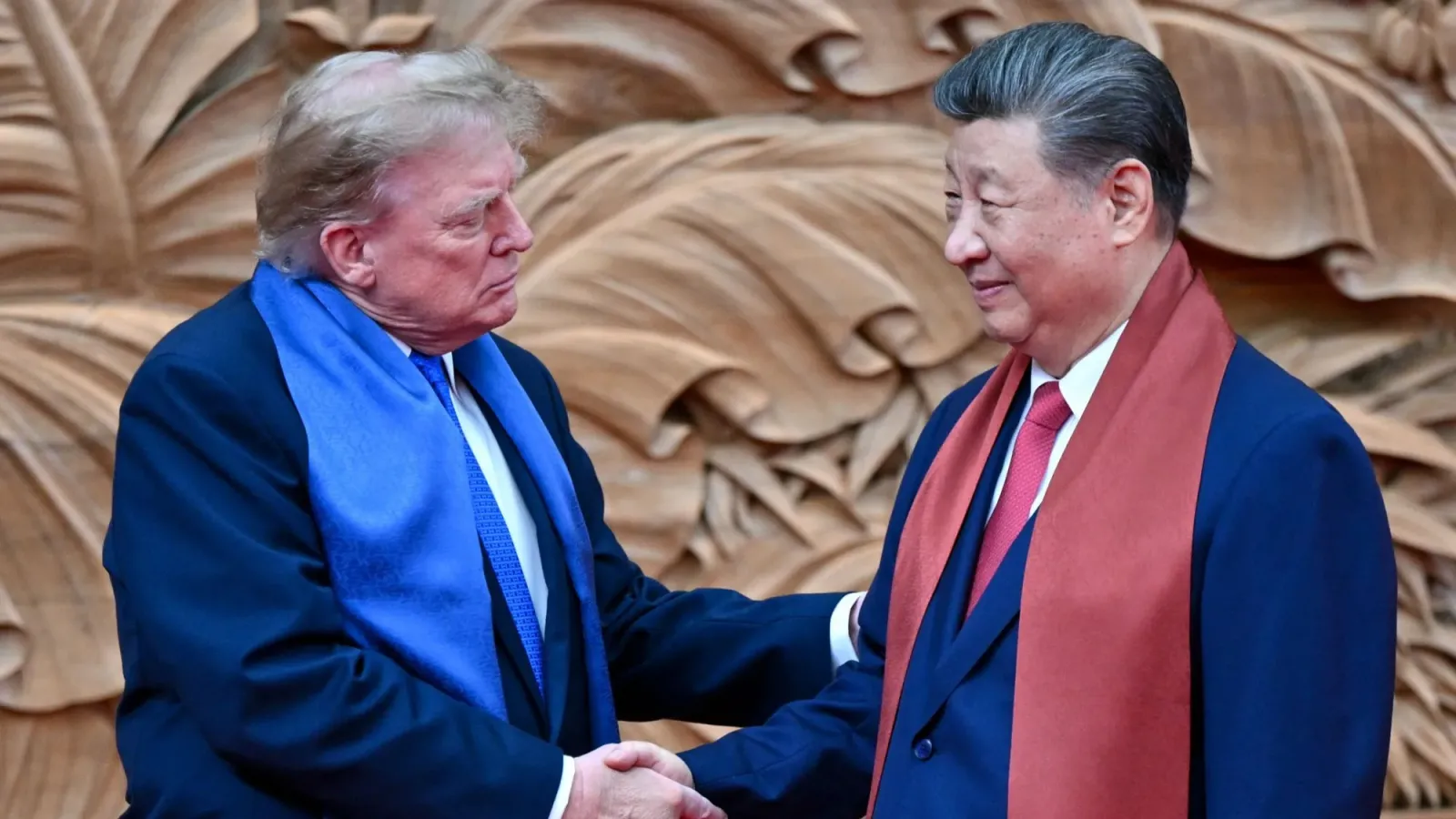
The technological showdown unfolds alongside high level diplomacy, including a recent meeting between leaders Donald Trump, Xi Jinping, and Vladimir Putin. Xi welcomed his American counterpart at the airport in an unusual move, yet underlying trade tensions persist and threaten British shoppers heading toward the festive season.
Tech industry analyst Ian Fogg noted uncertainty stems from shifting political stances in Washington. Tensions intensified following reports regarding Nvidia Chief Executive Officer Jensen Huang and an alleged connection involving Singapore based cloud firm Megaspeed.
Nvidia Export Rules and Alleged Sanction Breaches
Reports emerged that Alice Huang, who had ties to Megaspeed, allegedly helped remove roadblocks allowing roughly 240,000 banned chips worth an estimated $7.5 billion to reach China. Nvidia chips remain vital for training artificial intelligence models built by major developers like OpenAI and Anthropic, making them prized assets in the technological competition.
Tech Editor Sean Keach explained that America enforces strict rules regarding what technology can be exported to China to maintain access to top tier frontier models. Fogg stated that Alice Huang worked for a Singaporean company illicitly exporting chips into China against trade sanctions.
Rare Earth Minerals and Market Risks
Beijing might retaliate by restricting exports of rare earth minerals used in numerous consumer devices, pushing gift prices higher. Furthermore, Keach warned that a potential collapse in the financial market artificial intelligence bubble could trigger far reaching economic consequences affecting pensions and the wider economy.
Electronics costs could remain elevated beyond the current festive season as analysts project price increases extending into 2027 and 2028. Fogg added that chips reaching China previously aided the development of competitive open weight models that challenge American commercial alternatives.