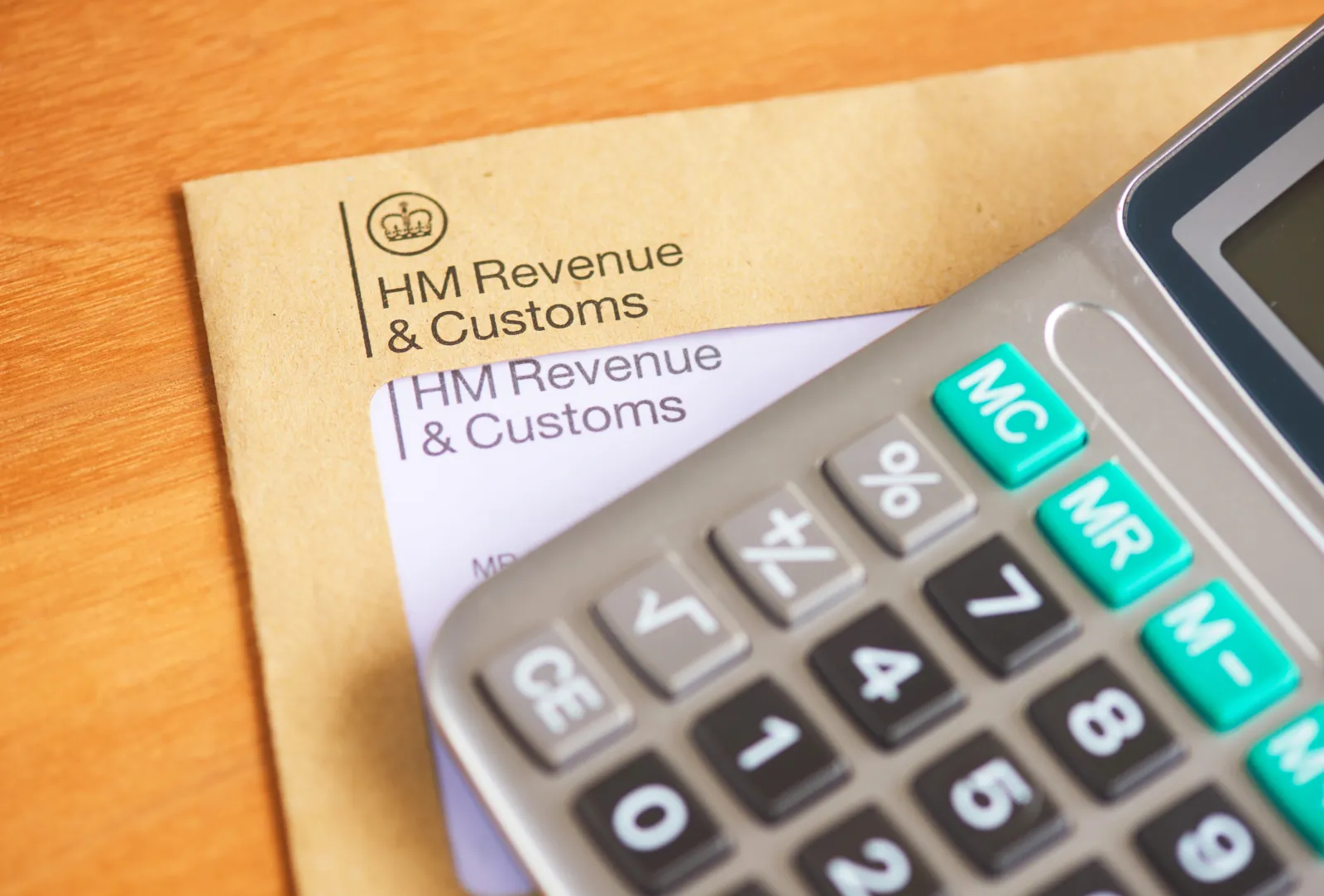
MILLIONS of hardworking Brits are paying BILLIONS of pounds more in extra tax due to a monster tax raid that is secretly draining our wallets.
It's all down to a sneaky 'stealth tax' raid that means the taxman is raking it in. Use our tool to see how much extra you've been paying, and follow our tips to fight back and slash your tax bill.
What's happened is that the government has put in place a deep freeze on tax thresholds.
The old Conservative government announced it would keep tax thresholds frozen in 2021, which rolled out in April 2022.
Then, the previous Chancellor Rachel Reeves extended the freeze until April 2031.
It means the personal tax allowance - what you can earn tax-free - has remained at £12,570.
Meanwhile, the higher rate tax band has remained stuck at £50,270, which means any earnings over this amount are taxed at 40%.
And the additional tax band remains fixed at £125,140, so any earnings beyond this point is taxed at 45%.
It seems a small move, but has HUGE consequences for us.
As your wage rises, but tax bands stay the same, you are in danger of being dragged over into a higher threshold - which means a bigger tax bill.
This is a process called "fiscal drag", and it's hitting millions of us.
This deep freeze is expected to raise £56billion a year by 2030/31 tax year, according to the Office for Budget Responsibility.
An extra six million extra will be dragged into paying income tax for the very first time by 2031.
On top of that, nearly five million more workers will be pushed into the punishing 40% higher rate tax band.
So what does it mean for your wallet?
In total, over the course of the big freeze, a basic rate taxpayer will pay £4,660 in extra tax, while a higher rate taxpayer will pay £13,860 and an additional rate taxpayer will pay £16,280.
Consumer finance champion Martin Lewis has long branded this "the biggest single tax rise we've had for years".
So how much could it cost you? Use our simple calculator to find out.
How the sneaky freeze targets your wages
You can use our exclusive calculator above to see exactly how much you are losing out on by simply typing in your annual salary and hitting the submit button.
You'll be able to see how much extra in tax you're paying every year, compared to if tax thresholds had gone up in line with inflation since 2022, at the point the big freeze was introduced.
Say you currently earn £35,000. You are able to earn the first £12,570 tax-free.
Then, you'd pay 20% on the remaining £22,430 of your pay.
That results in a total tax bill for the year of £4,486.
But had the government raised the tax-free allowance of £12,570 in line with inflation since 2022, the amount you could keep tax-free in your pocket would be £16,000.
Based on a £35,000 salary, your tax bill for the year would have been smaller at £3,800, £686 less.
How to fight back and trim your tax bill
While the Government wants to keep its hands in your pockets, you can take completely legal steps to protect your cash and shrink your tax bill.
Sarah Coles, head of personal finance at AJ Bell, suggests that your pension is your best defence.
She says: "One of the most powerful tools in the armoury is the pension, which can tackle income tax on your earnings."
By paying more into your retirement pot, you can legally hide that money from the taxman.
Sarah explains: "Not only does it mean you pay less tax on your income, but it could also help bring you back below tax thresholds, while helping to boost your prospects for retirement at the same time."
You should also make the most of your tax-free Individual Savings Accounts to protect any money you have put aside.
Moving your spare cash into an ISA ensures that the taxman cannot touch a single penny of the interest you earn or profit you make from your investments. So, it's a bit like bubble wrapping your cash to keep it safe.
You can save £20,000 a year into these accounts.
Background: Why the freeze was introduced
The decision to freeze tax thresholds in 2021 was announced by the then-Conservative government as a cost-saving measure amid the economic uncertainty caused by the COVID-19 pandemic. The policy was intended to stabilise public finances by preventing the Treasury from having to raise tax revenue through higher rates or new taxes.
When the Labour Party entered office in 2024, the new Chancellor Rachel Reeves extended the freeze to 2031, citing the need to maintain fiscal discipline while the country recovered from the pandemic's lingering effects. The extension was criticised by opposition parties and tax experts who argued that the freeze would erode real income for workers over time.
What fiscal drag really means
Fiscal drag occurs when wages rise but tax thresholds do not keep pace with inflation. As a result, a larger portion of an employee's income falls into higher tax brackets, increasing the effective tax rate. Over a decade, this can add thousands of pounds to an individual's annual tax bill.
According to the Office for Budget Responsibility, the freeze will generate an estimated £56 billion in additional revenue each year by the 2030/31 tax year. That figure is based on projected wage growth and the number of workers who will move into higher tax bands.
Projected impact on different income groups
For a basic rate taxpayer earning £12,570 to £50,270, the freeze will add £4,660 to the total tax paid over ten years. A higher rate taxpayer earning between £50,271 and £125,140 will see an extra £13,860 added to their tax bill. Those earning above £125,140 will pay an additional £16,280 over the same period.
These figures illustrate how the policy disproportionately affects higher earners, while also pushing a significant number of workers into the 40% bracket who would otherwise remain at 20%.
Legal ways to reduce your tax bill
In addition to pension contributions, other strategies include:
- Maximising contributions to a Personal Savings Account (ISA) to shelter investment income from tax.
- Using a Self-Assessment tax return to claim allowable expenses that reduce taxable income.
- Exploring tax-efficient investment vehicles such as Enterprise Investment Schemes (EIS) or Seed Enterprise Investment Schemes (SEIS) for eligible investors.
Financial advisers recommend reviewing your tax code and ensuring it reflects your actual earnings and allowances. A mis-coded tax code can result in over-payment or under-payment of tax.
What happens if you ignore the freeze
Ignoring the policy means continuing to pay higher rates as wages rise, which can erode disposable income and savings potential. Over a decade, the cumulative effect can amount to tens of thousands of pounds, potentially impacting retirement savings, home-ownership plans, and overall financial security.
How to use the calculator effectively
The online tool allows users to enter their current annual salary and receive a year-by-year comparison of tax paid under the current freeze versus a scenario where thresholds increase with inflation. The difference displayed represents the extra tax you are paying due to the freeze.
Users can also adjust the salary range to see how different earnings levels affect the tax burden, providing a clearer picture of the long-term impact.
Future outlook and potential policy changes
As the freeze approaches its end in 2031, political pressure is mounting for a review of tax thresholds. Some lawmakers propose reinstating annual inflation adjustments, while others argue for a gradual increase to avoid sudden spikes in tax bills.
Until any change is enacted, workers and employers can rely on the strategies outlined above to mitigate the impact of fiscal drag and protect their finances.
Internal links
For more on how tax changes affect everyday life, see Love Island Faces Biggest Shake Up in Over Ten Years After Maya Jama Quits and Most Brutal Manager Sackings In Football History.