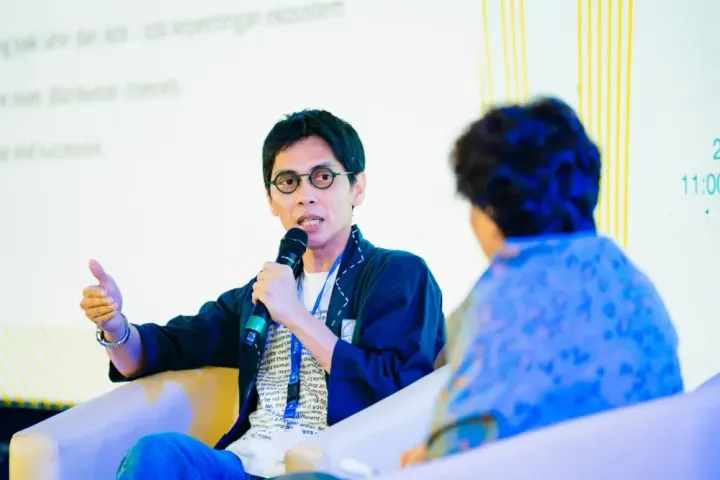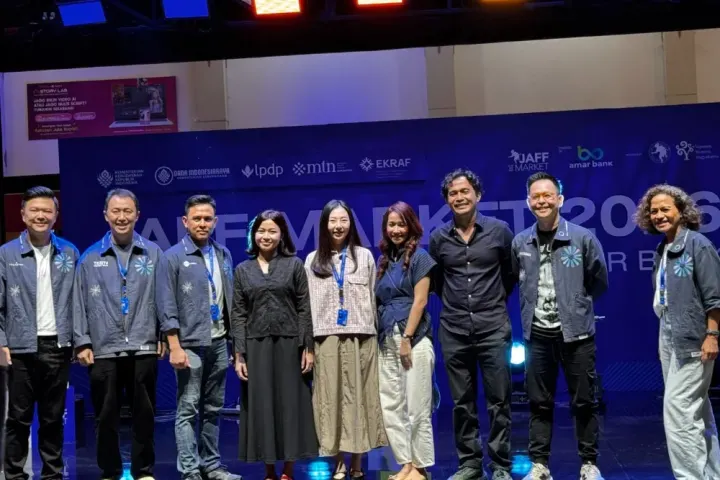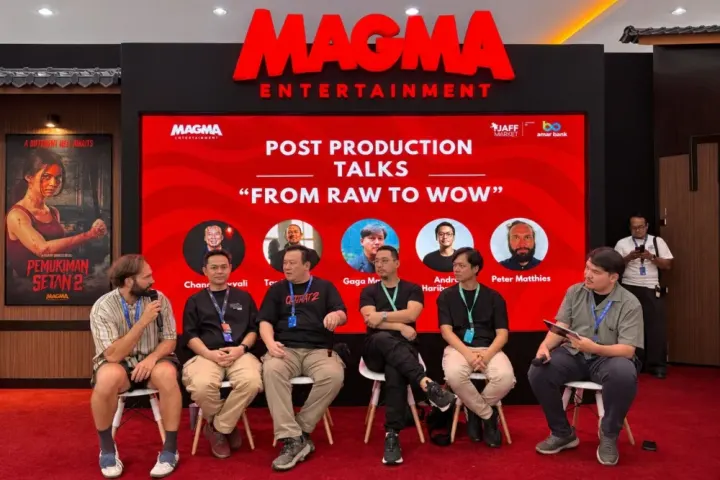
At the JAFF Market Film & Market Conference in Yogyakarta, a Populix survey showed TikTok is the leading spark for Indonesian movie interest, with 56% of respondents saying the social-media platform prompted their desire to watch a film. The finding underscores a growing trend: Indonesian audiences do not commit to a single viewing channel but switch between cinemas, paid streaming services and unlicensed sites depending on the occasion.
Survey Method and Sample
Populix, an international research firm, surveyed 1,300 viewers aged 18 and above across five Indonesian regions in November. Director Vivi Zabkie noted that the online sample is unweighted, offering a broad picture rather than a statistically representative national snapshot. The survey collected data on where viewers first felt the urge to watch, how often they attend cinema, and their use of streaming and piracy.
Where the Urge to Watch Begins
TikTok emerged as the dominant trigger, with 56% of all respondents saying the platform sparked their interest. Among 18- to 24-year-olds, the figure jumps to 71%. By contrast, film critics or reviews were the first trigger for only 4% of participants. The platform's short-form, highly shareable content appears to play a key role in generating curiosity about new releases.
Cinema and Streaming Usage Patterns
Indonesian films account for 60% of cinema visits but only 26% of viewing on unlicensed sites. When asked whether they had watched the same film both in a cinema and at home, 81% of respondents answered yes. The audience is divided into five main groups: 41% are occasional viewers who used no single channel six or more times in six months; 18% are subscription loyalists; 17% are big-screen regulars; 14% heavily rely on both paid and unlicensed services; and 10% are free-first viewers.
Income and Access Shape Viewing Choices
Income levels and cinema access create sharper divisions than age or gender. Among respondents earning under IDR2.5 million ($138) a month, only 7% attended the cinema six or more times. In contrast, 32% of those earning more than IDR10 million ($552) made the same frequency of visits. This gap highlights how economic factors influence the willingness to pay for a cinema experience.
Cinema Experience and Pricing Sensitivity
Attending a cinema outing is often a social event: 82% of visits involve friends, a partner or family, while only 24% of paid streaming sessions are shared. Pricing remains a barrier. A large majority, 94%, would pay at least IDR 40,000 ($2.21) for a ticket, and 84% would pay at least IDR 50,000 ($2.76). However, only 52% would pay IDR 60,000 ($3.31). Seventy-one percent expressed interest in premium screens, indicating a demand for enhanced viewing experiences. Home viewing also competes directly; respondents passed on a cinema trip for four out of ten films they had planned to see, citing the convenience of being at home.
Streaming Preferences and Early Access Demand
On the streaming side, 64% of respondents want films available at home within a month of release, and 83% would pay a premium for earlier access. This appetite for timely availability reflects the fast-paced consumption habits of younger audiences who are already accustomed to on-demand content.
Piracy: Prevalence and Attitudes
Piracy remains widespread but shallow. Eighty-four percent of respondents reported using an unlicensed site in the past six months, yet these sites account for only 14% of viewing occasions. Fifty-seven percent of users consider piracy at odds with their personal principles, suggesting a complex relationship between legality and consumption habits.
Industry Perspectives: Cinepolis and iQIYI
During a panel discussion, Sandeep Atal, director of revenues at Cinepolis, noted that local films contributed 30%–35% of admissions before COVID and now account for around 60%, with 65% considered a more natural level. He added that Indonesia's per-capita movie-going rate is only 0.6 per person per year, a low figure for a country of its size. Cinepolis plans to increase frequency through loyalty, personalization and wider programming, including live sports and concerts, and to add value via formats such as its Macro XE, which links seat effects to the film on screen, working well with local horror titles.
At iQIYI, Bryce Tsao, director of the company's international business department, said Indonesia now ranks among iQIYI International's top five markets. The platform paused its Indonesian service during the COVID pandemic and relaunched last year. About half of its local users are under 25, and around 85% are female, a younger demographic than in markets such as Taiwan and the U.S., where users skew above 35. iQIYI is starting in Indonesia with long-form drama and microdrama, and is not yet ready to acquire Indonesian films. The service streams Chinese and Korean dramas as well as short dramas, and its local content plan follows its audience. "So actually romance, love stories really matter," Tsao said, adding that the genre mix could shift as the user base broadens.
Broadcasting and Demand Beyond Cities
A programming acquisition executive from broadcaster Trans7 told the panel that Indonesian films it airs one to two years after their streaming release still deliver strong ratings and share, a sign of demand outside the big cities. Zabkie said interest is not the problem for Indonesian audiences; access and cost are, and free-to-air television helps close that gap.
Call to Action for Filmmakers
During the session, Cinepoint co-founder Sigit Prabowo addressed Indonesian filmmakers directly, urging them to "be brave, make your statement, the audience will come." His message echoed the broader industry sentiment that creative risk can pay off in a market eager for fresh stories.
Event Context and Future Outlook
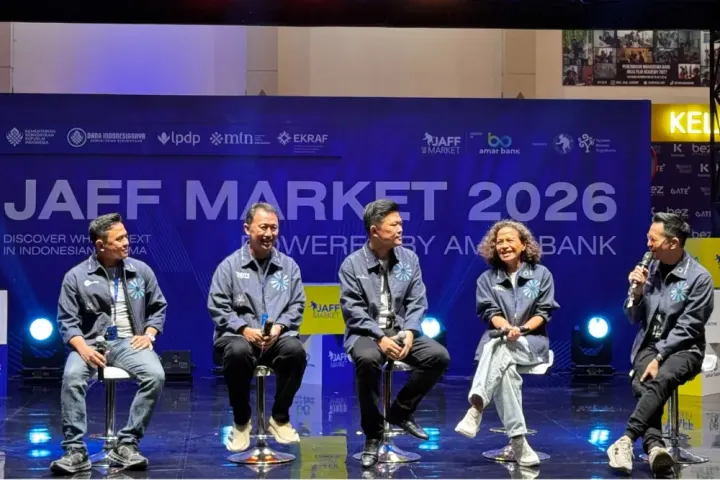
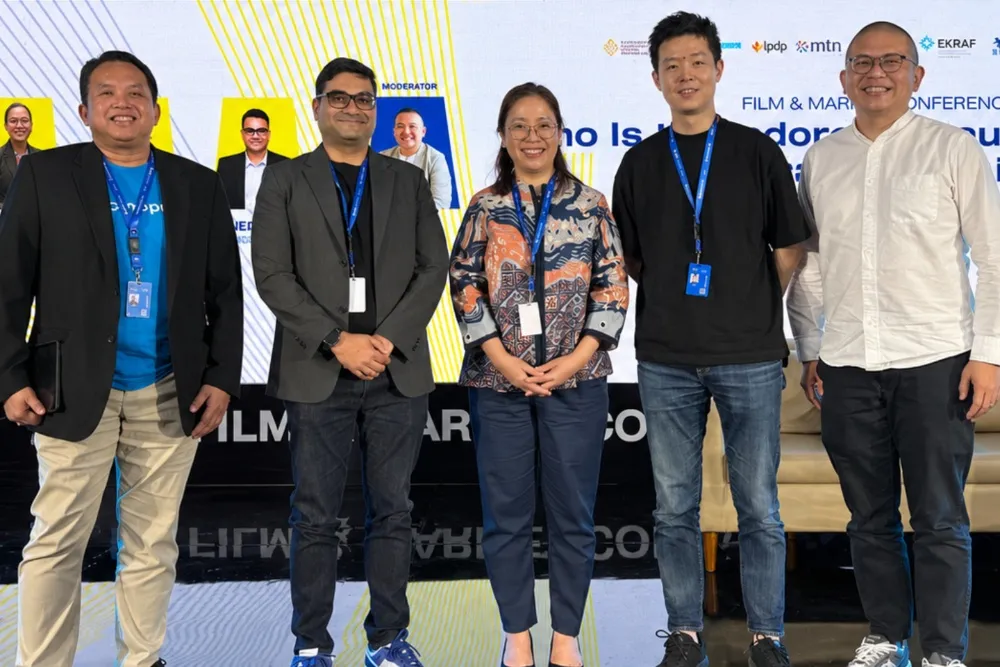
The session was moderated by Gundy Cahyadi of the JAFF Market committee. JAFF Market runs alongside the 21st Jogja-Netpac Asian Film Festival, which continues through Dec. 5. The conference highlighted the evolving consumption landscape in Indonesia and the opportunities for local cinema to adapt to a multi-channel environment.
Background: Indonesian Film Industry and Digital Shift
Indonesia's film industry has historically relied on cinema releases, with local productions making up a significant portion of admissions. However, the COVID-19 pandemic accelerated the shift toward digital platforms, forcing distributors and exhibitors to rethink release windows and monetization strategies. The rise of social media influencers and short-form video has also altered how audiences discover new titles, as seen in the TikTok data from the Populix survey.
What Happens Next for Indonesian Cinema?
Industry stakeholders are exploring hybrid release models that combine theatrical openings with simultaneous or staggered streaming releases. The goal is to balance the social experience of cinema with the convenience of home viewing, while ensuring that revenue streams remain viable for producers and exhibitors. Initiatives such as Cinepolis's Macro XE format and iQIYI's focus on genre preferences illustrate the innovative approaches being tested.
How to Stay Updated
For ongoing coverage of Indonesian cinema trends, keep an eye on industry reports, film festival announcements, and platform partnership announcements. The JAFF Market and Jogja-Netpac Asian Film Festival continue to serve as key forums for dialogue between creators, distributors, and audiences.
Related Stories
- Indonesian Film Admissions Drop 16% in 2026 as Hollywood Imports Rise
- JAFF Market Aims to Expand Indonesian Cinema Internationally While Preserving Cultural Identity
- Indonesian Producer Yulia Evina Bhara Knighted by France at JAFF Market
- JAFF Market Launches Third Edition Highlighting Indonesian Cinema Quality