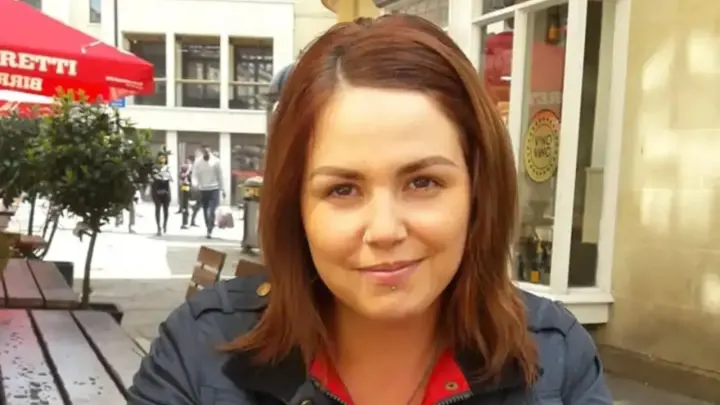
A 21-year-old student nurse in Drogheda, Republic of Ireland, experienced severe muscle pain and swelling after a 40-minute spin class in September, leading to a diagnosis of rhabdomyolysis (rhabdo). She was admitted to A&E and treated with intravenous fluids for four days, avoiding kidney failure.
Spin Class Triggers Severe Muscle Damage
Aoibh Murray entered the class feeling tired from two nursing shifts but eager to exercise. Halfway through, her leg began to "buckling inwards," and she continued despite the discomfort, fearing embarrassment.
Following the class, she felt her legs "really weak" and assumed delayed onset muscle soreness (DOMS). Days later, her legs became "rock hard and very swollen," and she could not move them without help.
Medical Diagnosis and Treatment
Aoibh was shocked to learn she had rhabdomyolysis, a condition where muscle breakdown releases toxins into the bloodstream. Doctors noted her creatine kinase (CK) levels were extremely high but were surprised she had not developed kidney failure.
She received fluids for four days, which reduced swelling and prevented organ damage. She described the experience as "very scary and dangerous," noting dehydration and over-exertion were key factors.
Symptoms and Warning Signs of Rhabdo
Rhabdomyolysis can cause severe muscle pain, weakness, swelling, dark or brown urine, fatigue, and fever. A key warning sign is a decrease in urine output or dark-coloured urine.
Early hospital care with IV fluids helps flush toxins and protect kidney function. In severe cases, dialysis may be required.
Broader Context and Personal Warning
Earlier this month, 24-year-old runner Rachel Apa died minutes from the finish line at the New York marathon, suspected of rhabdo. Aoibh now urges people to avoid pushing themselves too hard, especially when dehydrated, and to stay hydrated during exercise.
She has not returned to the gym and emphasizes that many people in the fitness culture push beyond safe limits. She stresses the importance of listening to one's body and seeking medical help if symptoms arise.
Key Takeaways
- Rhabdomyolysis can result from intense, short-duration exercise.
- Symptoms include severe muscle pain, swelling, dark urine, and weakness.
- Prompt IV fluid treatment can prevent kidney failure.
- Dehydration increases the risk of rhabdo during high-intensity workouts.
- Early medical attention is critical if severe muscle pain or dark urine occurs.