Senate Democratic Leadership Change Needed After Midterms
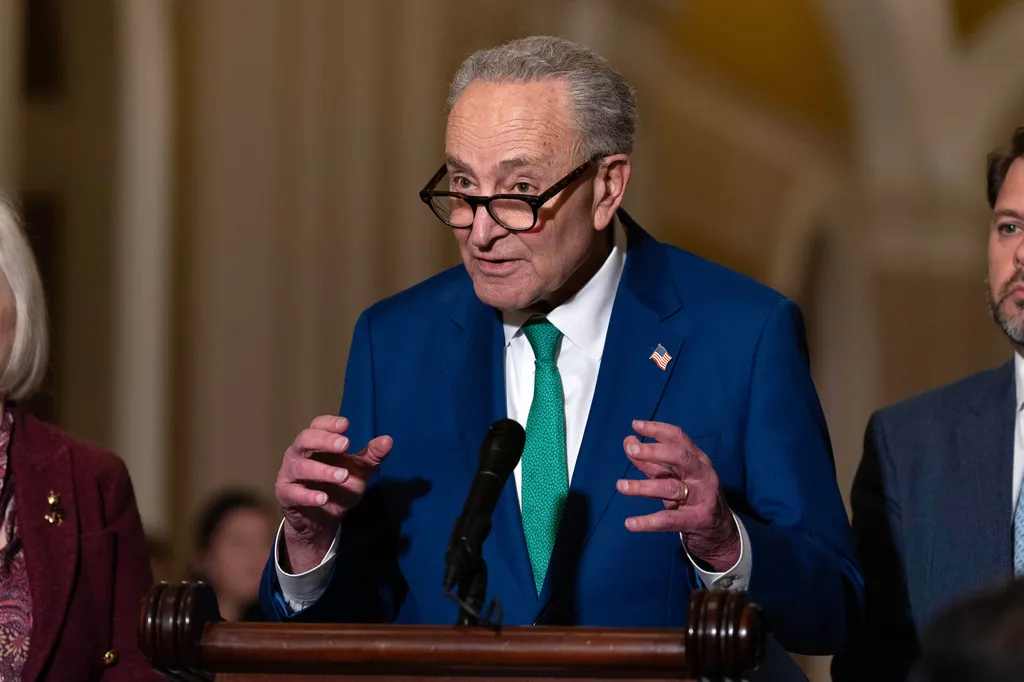
Senate Democratic Leader Chuck Schumer drove four hours from his home in Brooklyn to President Joe Biden's beach house in Rehoboth Beach, Delaware, on July 13, 2024, to advise the president to drop out of his reelection campaign. Now, commentators and supporting lawmakers argue that the time has come for Schumer to take his own advice and for Senate Democrats to elect Senator Chris Van Hollen as their new leader.
This call for a transition comes despite Schumer engineering a phenomenal campaign effort that helped mary peltola victory in alaska cap off a stunning nine-seat majority pickup in the chamber. Schumer recruited or strongly supported eight out of nine candidates who flipped Republican seats, including Sherrod Brown in Ohio, Roy Cooper in North Carolina, Adam Hamilton in Kansas, Mary Peltola in Alaska, Annie Andrews in South Carolina, James Tallarico in Texas, Josh Turek in Iowa, and Scott Colom in Mississippi.
The record was not entirely flawless, as initial missteps involved supporting Governor Janet Mills in Maine and Representative Haley Stevens in the primary in Michigan, while missing opportunities to back candidates like Angie Nixon in Florida and Jamie Davis in Louisiana that could have expanded the tally to 11 flipped seats. Even with these errors, the electoral outcome delivered a powerful majority that grants Schumer immense credit for his strategic management.
That past success should not automatically secure a continued tenure as senate democratic leader, because retaining the incumbent would ignore the clear message sent by voters in the general election. Historic margins of victory in both the House of Representatives and the Senate demonstrated that Americans want leadership change, generational change, and policy change.
Senators and senators-elect backing Van Hollen point out that responding to voter demands requires a fresh face at the top of the party. Senator Elissa Slotkin of Michigan endorsed Van Hollen by stating that the American public spoke loud and clear about wanting a new generation of leadership rather than marginal adjustments. Keeping a leader who has held the post for almost ten years fails to project a renewed team.
Voters also demonstrated a clear preference for younger figures through unprecedented turnout among young people and the election of youthful candidates. While Van Hollen is 67 years old, supporters view him as significantly more aligned with millennials than the 76-year-old Schumer, who previously declined to endorse young mayoral candidate Zohran Mamdani in New York City. Van Hollen also shares younger voters' growing disaffection with the hardline policies of Israeli Prime Minister Benjamin Netanyahu and unlimited military support for the Israeli military.
Critics argue that Schumer no longer fits the bill as a strong public messenger to present the party message and prepare for future electoral gains in 2028. While Schumer has served in public office for 51 years and earned deep appreciation for his legislative efforts, advocates for the transition argue that politics demands knowing when to pass the torch.
Background on Senate Leadership and Midterm Dynamics
The internal debate over the future of the senate democratic leader role follows a historic cycle of legislative elections that reshaped the balance of power in Washington. Control of the upper chamber of Congress dictates committee chairmanships, judicial confirmations, and the legislative agenda for the federal government. Party leaders coordinate fundraising, recruit candidates in competitive states, and negotiate directly with the White House and opposition leaders to pass federal budgets and policy bills.
Over recent years, the Democratic caucus has navigated significant ideological shifts, balancing moderate members from swing states with progressive lawmakers representing urban centers and younger demographics. These internal dynamics often manifest during leadership elections following major national votes, where members evaluate whether current tactical approaches align with evolving voter sentiment across the country. Discussions about generational handovers frequently emerge after intense electoral cycles as parties position themselves for upcoming presidential races and congressional defenses.
What Happens Next in the Leadership Contest
Senate Democrats will determine their internal leadership structure ahead of the new congressional session, with members casting secret ballots to select their caucus leaders. Senators aligned with various factions will debate policy priorities, messaging strategies, and administrative committee assignments before the final vote takes place in Washington. The outcome of this internal contest will shape the opposition strategy against the Republican majority and set the tone for legislative negotiations in the coming years.