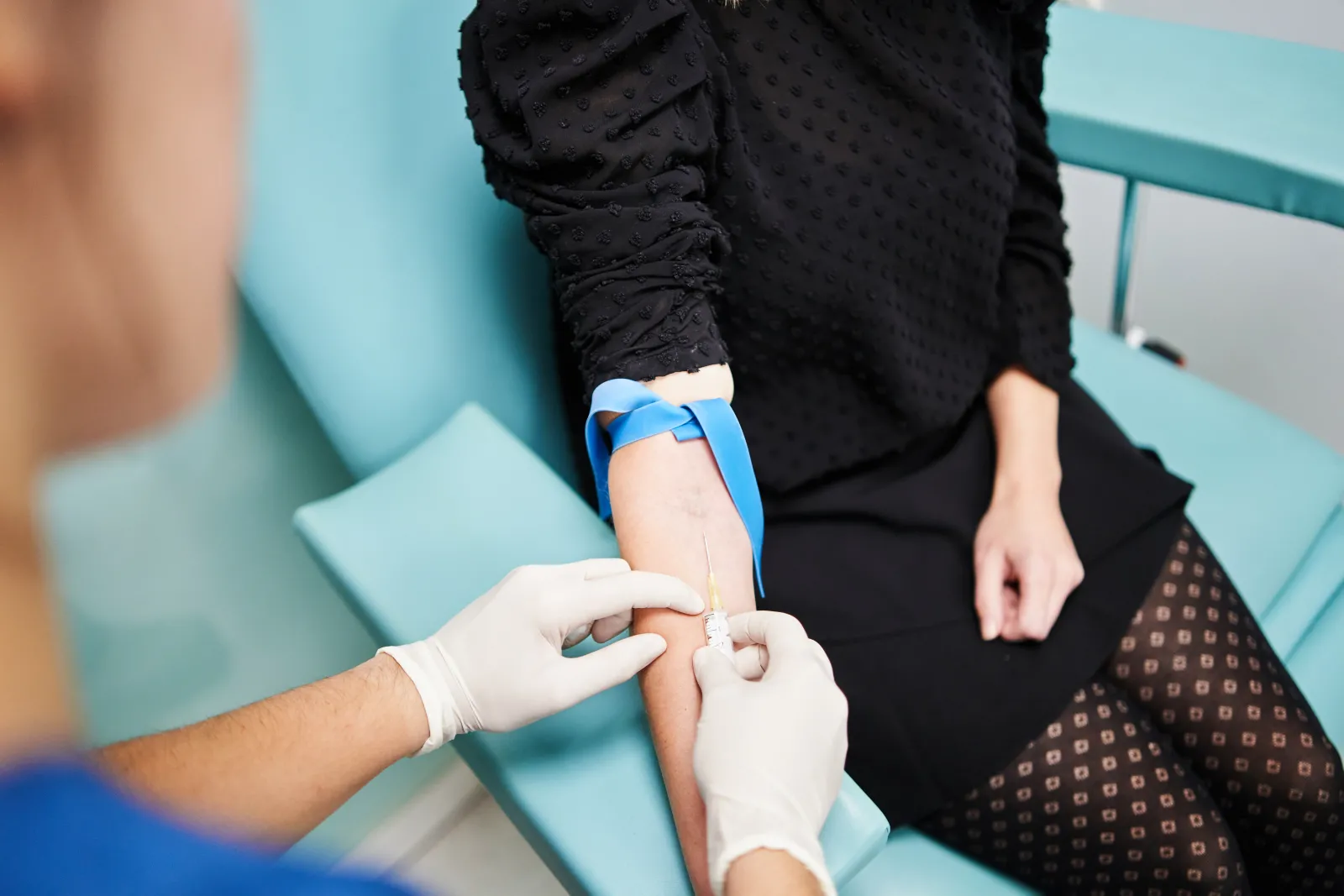
The National Health Service has issued an urgent appeal for blood donations as NHS blood stocks run low ahead of a busy winter period. Blood services across the United Kingdom have warned that supplies of key blood groups are currently sitting well below target levels.
There is a particular need for group O negative, B negative, O positive and Ro donors, according to NHS Blood and Transplant (NHSBT). People of black heritage have also been called on to donate blood to help treat patients with sickle cell disease.
The UK needs 5,000 donations each day to ensure hospitals have the stocks required to treat patients because blood has a shelf life of 35 days and platelets of just seven days. Stocks are used for blood transfusions, to treat patients undergoing surgery or with medical conditions such as anaemia, cancer and blood disorders.
But the current supply of certain blood groups is around half of what the NHS usually aims to maintain, NHSBT said. Meanwhile, there are only two to three days of O negative, which is less than half of the usual target of six days supply.
The warning comes ahead of the busy winter period, when high demand in hospitals coincides with fewer people giving blood due to surges in coughs, colds and respiratory illnesses. Gerry Gogarty, director of blood and plasma supply at NHSBT, said: "Right now, as we move into winter, there is an urgent need to boost our life-saving blood, platelet and plasma supplies."
"With patients reliant on regular transfusions, particularly vulnerable to colds and respiratory illnesses, it is vital that we stay well stocked, to ensure the blood is always there when it is needed. If you are able to donate, please book an appointment to ensure we have enough blood over the busy time ahead.", Mr Gogarty added.
New and existing donors across the country have been asked to fill the 150,000 available blood donation appointments until the end of the year to help boost life-saving supplies. In England alone, an extra 10,000 eligible donors are needed to boost supplies of O negative, the universal blood type used during emergencies, as well as 2,400 B negative donors and 16,000 O positive donors to help meet anticipated demand, NHSBT said.
Each donation only takes an hour and can save up to three lives. Earlier this month, the Scottish National Blood Transfusion Service announced its first amber alert for O blood types, saying stocks had dropped to unprecedented low levels because of a shortage of donors and an increased use of the blood type over the last few months.
Mr Gogarty said people who cannot find an appointment straight away should keep checking back to help fill last-minute availability or cancellations, if possible. Larger donor centres in town and city centres tend to have more availability for appointments, especially for those who have not donated before or who have more common blood types.
NHSBT is also calling on businesses to help by allowing staff to take time out of the working day or during breaks to give blood. Research by the authority found 43 per cent of donors would be more likely to give blood if given time off by their employer, rising to 65 per cent for people aged 25 to 44. Donors are also urged to help boost supplies of life-saving medicines made from plasma, which makes up 55 per cent of a human's blood and can be collected both directly and from whole-blood donations.
Understanding the Role of NHS Blood and Transplant
NHS Blood and Transplant is a joint-agency of the National Health Service providing a reliable supply of blood, organs, tissues and stem cells to hospitals across England and other parts of the UK. Established in 2005, the organisation brings together the National Blood Service and UK Transplant to manage the entire donation and transplantation pathway. Operating major processing laboratories and a dedicated logistics network, NHSBT oversees the collection, testing, processing and distribution of all donated blood products. The agency works closely with hospitals to monitor supply levels in real time, ensuring that surgical units, emergency departments and specialist treatment centres receive the exact blood components they require on a 24-hour basis.
Medical Uses of Blood Components and Shelf Lives
Donated blood is rarely transfused as whole blood; instead, it is routinely separated into its primary components to maximise its therapeutic value for different medical needs. Red blood cells are extracted to treat patients suffering from severe anaemia, trauma blood loss, or complications during major surgery. Platelets, which have an exceptionally short shelf life of just seven days, are vital for cancer patients undergoing chemotherapy, individuals with blood clotting disorders, and patients receiving organ transplants. Plasma, the liquid portion of blood, is used to replace vital clotting factors and is fractionated into specialized medicines that treat immune deficiencies and bleeding disorders. Because red blood cells expire after 35 days, the blood donation system relies entirely on a continuous, unbroken cycle of daily collections to prevent life-threatening shortages in clinical settings.
Eligibility Requirements for Donating Blood
Donating blood is open to the vast majority of the adult population, provided individuals meet specific health and safety criteria designed to protect both the donor and the recipient. Prospective donors must generally be in good general health, weigh at least 7st 12lbs or 50kg, and fall within the age bracket of 17 to 66, with those up to age 70 eligible if they have given blood previously. Individuals over the age of 70 who have successfully donated within the preceding two years may also continue giving blood. Men are permitted to donate every 12 weeks, while women can donate every 16 weeks to allow their bodies sufficient time to fully replenish red blood cell levels. Medical staff conduct thorough pre-donation screenings during every visit to check iron levels and review medical history before any blood is collected into specialized collection bags.