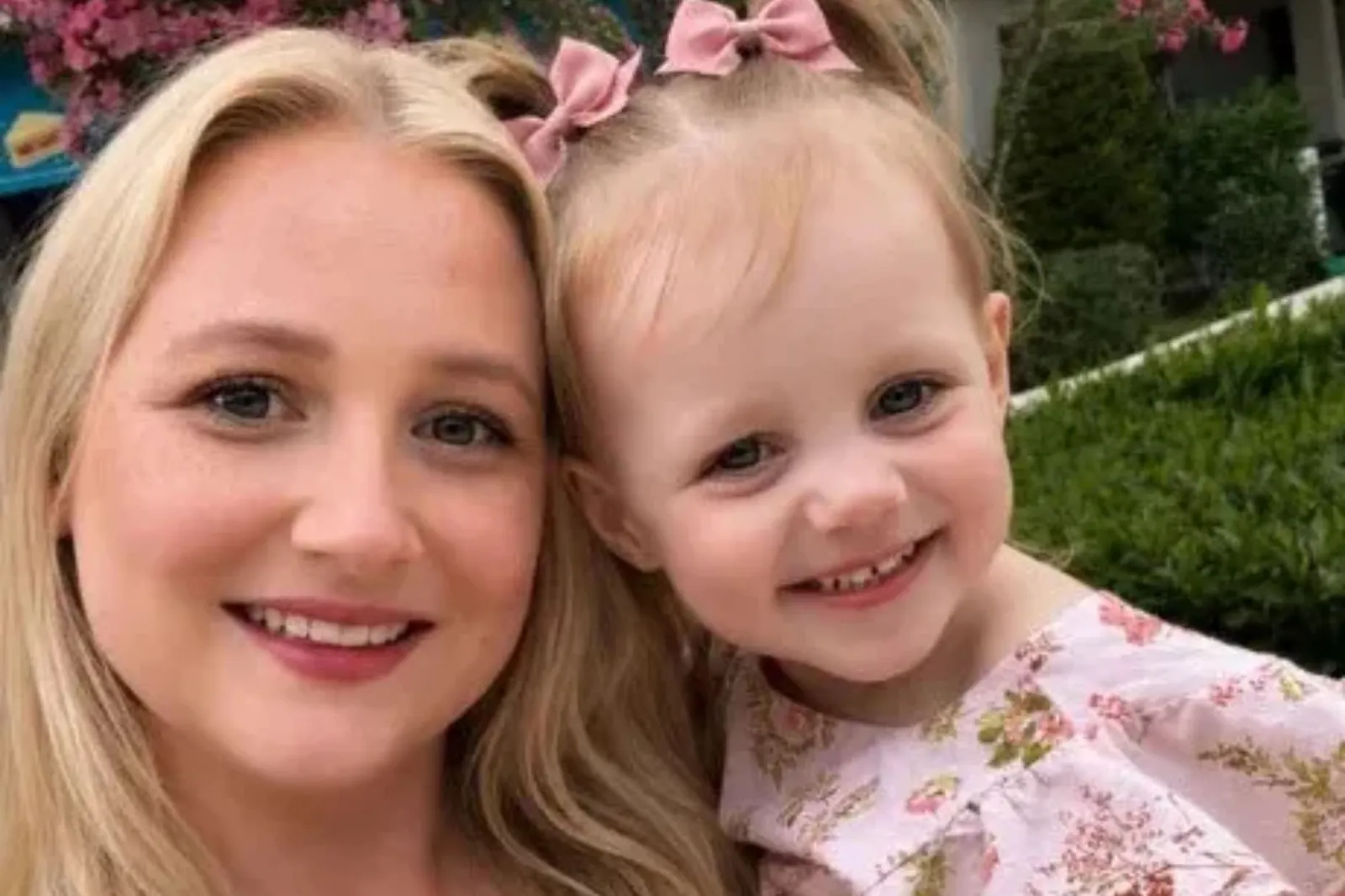
Three-day-old Maya was diagnosed with a stroke after her mother, Zoe Walton, noticed shivering, repeated vomiting and seizures. The family now lives with constant worry over Maya's development and health.
Early Signs Triggered Emergency Calls
On the third day after birth, Zoe observed Maya shivering despite a warm environment. When Maya began vomiting milk and screaming, Zoe called 111. The 111 responder escalated to 999 as Maya's left arm began jerking repeatedly.
Paramedics arrived and told Zoe that the movements might be normal newborn reflexes, but Zoe and her partner Louis decided to take Maya to A&E. They reported fears of seizures.
Hospital Findings and Diagnosis
At the hospital, Maya's oxygen levels fell repeatedly. An emergency alarm was set for any seizure activity. Zoe recorded seizures lasting five, ten, fifteen and eventually thirty minutes. Maya was moved to the high-dependency unit, but initial blood tests and brain scans were clear.
The doctor ordered an MRI, which revealed a stroke affecting the back right-hand side of Maya's brain. The Stroke Association notes that a child stroke occurs every five minutes in the UK, with several hundred children affected annually.
Potential Long-Term Effects
Maya may face cerebral palsy, visual or hearing problems, seizures, epilepsy, speech difficulties and learning challenges. The Stroke Association says children's brains have plasticity and can adapt, but parents were advised to "grieve the life we expected to live."
Recovery and Ongoing Care
After nine days in hospital, Maya was discharged and began seizure clinic reviews and physiotherapy. She remained seizure-free and received antibiotics and antivirals for two weeks. Over the next year, Maya attended reviews and physiotherapy, and by her third birthday she can walk, talk, laugh and dance, meeting all milestones.
Parenting a Child with a Brain Injury
The months after discharge were difficult. Maya often had emotional outbursts, screaming and crying for up to eight hours. Zoe and Louis monitored every movement, nap and unsettled moment, and Zoe had to leave full-time work because Maya's fatigue limited nursery attendance.
Zoe continues to experience anxiety about Maya's health and development, and the emotional toll remains. She credits the Stroke Association's Childhood Stroke Support team for vital help and now advocates for awareness of newborn strokes.
Signs of Stroke in Children
There are around 400 cases of childhood stroke each year. Strokes in babies (up to 28 days) can be caused by blood clots from the placenta or clotting disorders. In older children, causes include infections, trauma, vascular problems or blood disorders. Signs include seizures, weakness or paralysis on one side, facial drooping, speech problems, headaches, vomiting and seizures.
If you suspect a stroke, seek medical help immediately.
Key Takeaways
- Newborn stroke can present with shivering, vomiting and seizures.
- Immediate medical attention and MRI are essential for diagnosis.
- Potential long-term effects include cerebral palsy, seizures and learning difficulties.
- Early support from specialists and charities can help families cope.