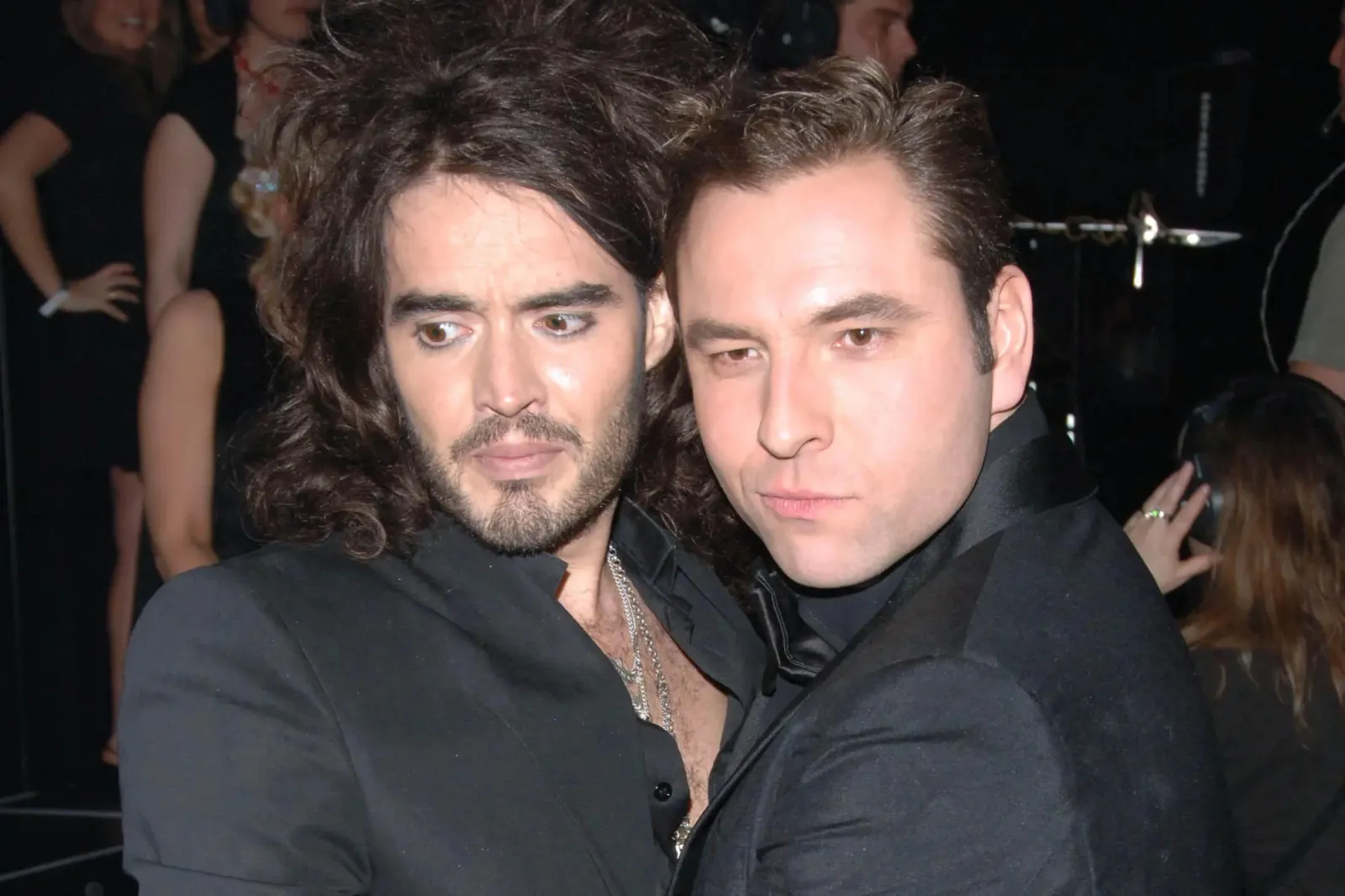
As Russell Brand was sentenced to 10 years in jail this week and David Walliams was accused of carrying out inappropriate and exploitative sexual activities with women, industry insiders have warned it is just the tip of the iceberg.
Celebrity circles, particularly the world of comedy, are awash with chatter about who will be next and everyone is asking not if, but when they will be held accountable. And it is said to have left a number of high profile men quaking in their boots.
It has already emerged that a second well-known celebrity accused of having multiple victims is allegedly hiding behind an injunction.
Additional Celebrities Facing Scrutiny
The unnamed figure is said to have been granted the gagging order, meaning he can remain anonymous for now. Plus author Evelyn Scott, 38, yesterday claimed she and other women were targeted by a high-profile predator, sparking fears of another celebrity sex scandal.
She said she had been working with the police for months amid a probe into alleged claims against the public figure. A TV star who wishes to remain anonymous explained that there are a few other well-known men in the entertainment industry who are just like Russell and whose behaviour is being increasingly questioned by people behind the scenes.
The source added that they know who they are and it is fair to say they are starting to feel a bit nervous. For a long time, there has been a feeling within showbiz circles that some powerful men have been able to operate without being properly challenged.
Power Imbalances in Showbiz
Their celebrity status, success and popularity have given them enormous influence, and there are concerns about how that power has been used in their relationships with women and female fans. Indeed, during Brand is trial, one of his victims told the court that his fame had left her afraid to speak out for years, adding that his fame, wealth and influence created a power imbalance which made her feel powerless.
Brand, 51, was found guilty of one count of rape and three counts of sexual assault and is now facing multiple fresh allegation in the wake of his sentence. Walliams, meanwhile, has been accused of preying on girls for sexual purposes, including two as young as 15, and he has denied all wrongdoing.
Multiple women have also claimed they were groomed by the star when they were teens. Insiders now believe the tide is turning and people will now start speaking out more to protect women.
Changing Culture in Television
The source continued that the culture is finally changing and things that might once have been brushed aside or simply not discussed are now being looked at much more seriously and people are no longer prepared to turn a blind eye. These conversations have been happening quietly in entertainment circles for years, and there are people who know a great deal more than they are willing to say publicly.
There is now a growing feeling that the silence cannot continue, lots of people know exactly who these men are, it is no secret, and these men are going to be exposed. Other celebrities and people within the industry are increasingly keen to see greater accountability, while the old days when somebody is fame or influence could shield them from difficult questions are coming to an end.
This is not going to disappear, people are asking questions, the industry is changing, and those who have concerns about particular individuals want them to be properly investigated. Some celebrities have already started speaking out about their peers.
Comedians and Media Figures Speak Out
During a late 2022 television interview with Louis Theroux, Katherine Ryan discussed how allegations against certain high-profile male figures were treated as an open secret among performers, television staff, and executives for decades. Comedian and writer Katy Brand has been blunt about the reality facing women in the UK entertainment sector, stating that female performers routinely warned one another about specific male headliners and production staff.
She suggested that Brand was merely symptomatic of a broader culture that will continue to unravel. Former This Morning star Dr Ranj spoke out this week, saying that he has been working in the media industry for well over a decade and reports of inappropriate or illegal behaviour are not a surprise.
He noted that it is not all platforms, but history has shown us that no organisation is immune to this, and in many cases it has been tolerated and even enabled. And stand up comedian Shappi Khorsandi addressed the wider circuit culture, publicly stating that everyone knew about abusive behavior and that predatory conduct had been normalized for years by powerful gatekeepers.
Background on Celebrity Injunctions and Legal Gags
Legal injunctions, often referred to as gagging orders, have a long history within the British legal system, particularly regarding high-profile figures seeking to suppress media reporting of their private lives. In recent years, privacy laws and super-injunctions have allowed public figures to temporarily block newspapers and broadcasters from publishing allegations before formal legal proceedings or police investigations reach a public stage. Media lawyers and civil liberties campaigners frequently debate the balance between protecting an individual is right to privacy before a fair trial and ensuring public safety and transparency. When anonymous celebrities manage to secure temporary legal protection, public speculation often grows intensely across social media platforms and independent commentary channels.
The use of anonymity orders in cases involving sexual misconduct allegations frequently draws criticism from victims advocacy groups. These organisations argue that secrecy can inadvertently shield powerful individuals and deter other affected people from coming forward to law enforcement agencies. Legal experts point out that while anonymity protects the presumption of innocence, it can also create a two-tier system where wealthy public figures possess resources ordinary citizens cannot access. High-profile cases involving entertainers and media personalities consistently test the boundaries of privacy injunctions, leading to parliamentary debates and calls for legal reform regarding how the courts handle pre-trial secrecy in sensitive criminal matters.
The Historical Culture of Silence in Showbusiness
The entertainment industry has faced recurring scrutiny over allegations that television networks, film production companies, and talent agencies historically prioritized commercial interests over the welfare of junior staff and aspiring performers. For decades, internal whistleblowing channels within major media organisations were often viewed by employees as ineffective or career-damaging. When junior researchers, production assistants, and performers raised concerns about powerful headliners or executive producers, they frequently encountered professional marginalisation or non-disclosure agreements. Industry analysts note that the hierarchical structure of television production places immense discretionary power in the hands of a few key decision-makers, creating an environment where inappropriate behavior could persist unchecked.
Over the past ten years, shifting public attitudes and the emergence of coordinated advocacy movements have gradually dismantled traditional barriers to speaking out. Performers, agents, and union representatives have increasingly pushed for mandatory safeguarding training, independent reporting lines, and stricter contractual codes of conduct across television and film sets. Despite these institutional changes, industry veterans acknowledge that deep-seated cultural norms take considerable time to transform completely. The reluctance of corporate boards to damage profitable franchises or alienate star talent has historically hindered transparent internal investigations, leaving external law enforcement agencies and investigative journalists to uncover systemic issues that internal compliance departments failed to address adequately.
What Happens Next According to Insiders
Law enforcement agencies are expected to continue their active investigations into public figures named in ongoing complaints, while additional victims weigh whether to come forward with formal statements. Legal representatives for individuals currently under scrutiny will likely review defense strategies in anticipation of potential criminal charges or civil claims. Media organisations and entertainment networks are anticipated to face mounting pressure from viewers, advocacy groups, and internal staff to conduct comprehensive reviews of their historical safeguarding policies and hiring practices. Industry insiders maintain that the ongoing public discussion will permanently alter how television productions handle allegations of misconduct, shifting the balance away from corporate protectionism toward greater institutional accountability and victim support.