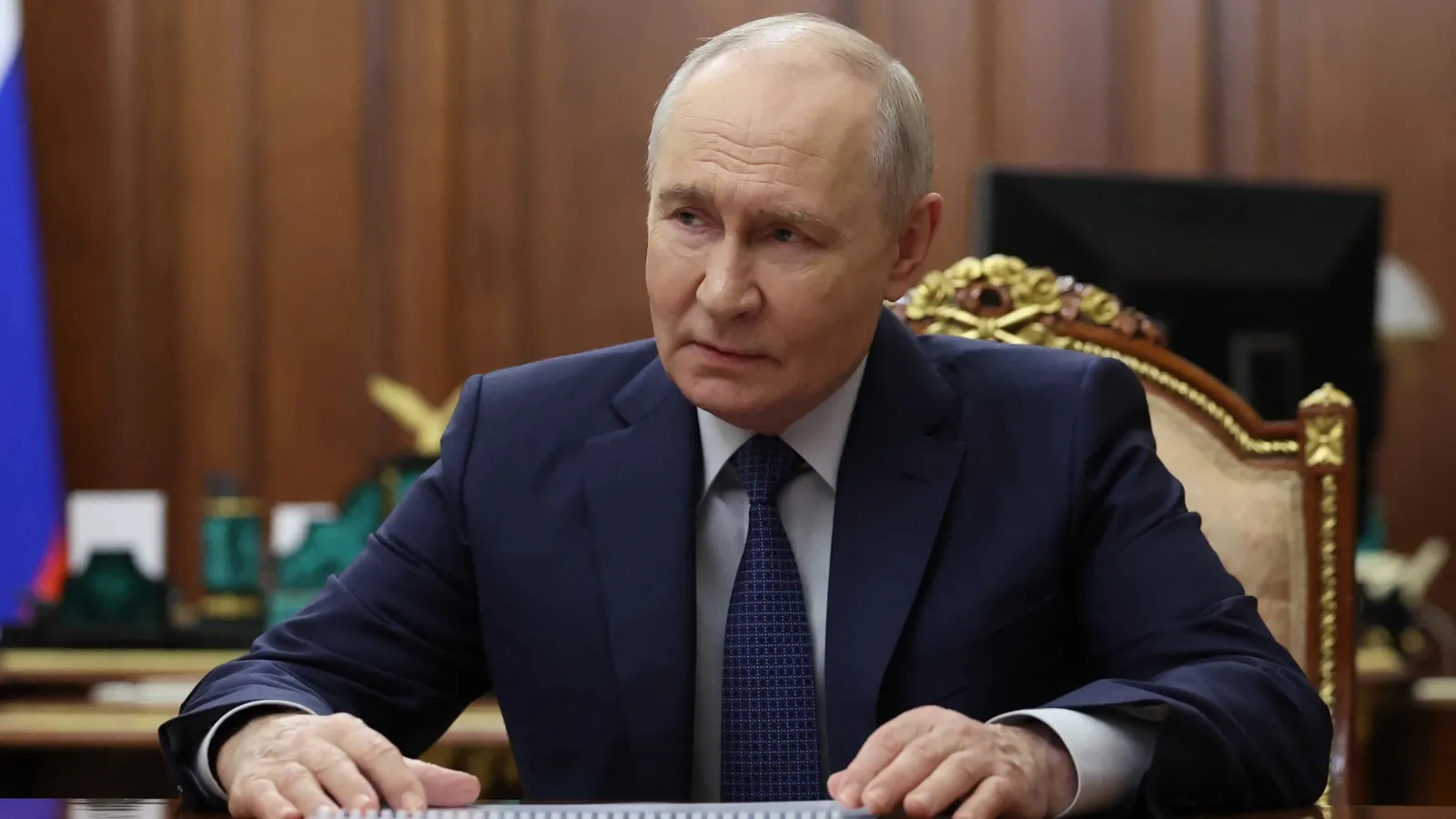
British intelligence agency MI5 has issued an urgent warning to United Kingdom companies supporting Ukraine, stating that Moscow is actively targeting commercial entities with sabotage, espionage, and intimidation tactics. The National Protective Security Authority, which operates under MI5, joined forces with the Ministry of Defence to release the alert, urging business leaders to strengthen their defenses immediately.
The security advisory highlights a marked increase in hostile operations across European defence-related facilities over recent months. According to the joint statement, Russian intelligence services are increasingly relying on proxy actors and low-sophisticated methods, including arson, to disrupt operations and undermine Western support for Kyiv.
Proxy networks often consist of low-level criminals and individuals recruited via online platforms who receive payments in cryptocurrency. Recent incidents linked to these foreign hostile activities include attacks directed at a DHL logistics site in Birmingham, a warehouse in east London holding supplies designated for Ukraine, and a property previously owned by Sir Keir Starmer.
Beyond physical arson attacks, security chiefs caution that the Kremlin is deploying information operations and digital intimidation tactics. These methods encompass the creation of deepfake videos designed specifically to blackmail, discredit, or pressure corporate employees and civilian staff members.
The newly published security guidance outlines 13 mandatory steps for organizations to adopt without delay. Businesses are instructed to minimize their digital footprints, restrict sensitive information shared on social media platforms, evaluate physical security measures, and establish direct contact with local counter-terrorism advisors.
Vulnerability extends far beyond major defense contractors and prime manufacturers. Any enterprise participating in military procurement or supplying equipment to the Ukrainian armed forces remains a potential target for foreign interference.
Understanding MI5 and the National Protective Security Authority
The Security Service, commonly known as MI5, is the domestic intelligence and security organization of the United Kingdom, tasked with protecting national security, countering terrorism, and safeguarding critical infrastructure. Operating alongside government departments, MI5 works to identify and neutralize covert threats originating from foreign states such as Russia, China, Iran, and other hostile actors.
The National Protective Security Authority functions as the national technical authority for physical and personnel protective security. By providing expert advice and guidance, the organization helps businesses, government bodies, and critical national infrastructure operators defend against espionage, sabotage, and terrorist attacks.
The Escalation of European Sabotage Operations
Intelligence agencies across Europe have documented a surge in clandestine operations directed against supply chains and logistics hubs. Investigators have linked various warehouse fires, rail disruptions, and property damages to operatives acting on behalf of foreign handlers. These methods allow state actors to maintain plausible deniability while creating widespread disruption and anxiety.
Using decentralized networks of opportunistic criminals recruited through encrypted messaging applications has become a preferred model for handlers. These operatives receive financial compensation through digital assets to execute targeted acts of vandalism and arson against critical infrastructure sites.
Broader Geopolitical Context and Maritime Operations
The warning arrives amidst ongoing maritime engagements in the conflict between Russia and Ukraine. Ukrainian intelligence services recently executed drone operations targeting Russian naval assets and cargo vessels transporting military equipment across the Mediterranean and the Baltic Sea. The Security Service of Ukraine has developed specialized sea drones, while similar marine technology is manufactured in Britain by the enterprise UForce.
Polish authorities have also raised concerns regarding hostile activities near borders where British military personnel are stationed, pointing to desperate measures by Moscow as the protracted conflict continues to evolve.
Executive Security and Corporate Defense Measures
Corporate leaders across Europe face unprecedented security challenges in managing high-profile defense projects. Executives at major industrial suppliers maintain strict personal security protocols following uncovered plots targeting top leadership figures within the defense manufacturing sector.
Despite ongoing intimidation campaigns, manufacturing executives and industrial leaders maintain that uninterrupted production remains essential for European security and democratic stability. Corporations continue to collaborate closely with national governments and law enforcement agencies to fortify facilities against emerging security risks.