Manchester United are not too big to go down from the Premier League. If club figures believe a new manager alone will save the team, officials are sleepwalking toward the unthinkable. No amount of history or trophies in the cabinet will rescue the squad if players continue defending like a pub team.
A January spending spree after nine games of blood, sweat and basic competence is required to avoid the ultimate humiliation. Red Devils legends Roy Keane and Gary Neville both shrugged off claims that the 20-time English champions could be demoted. However, the Premier League table is not laughing at the current predicament.
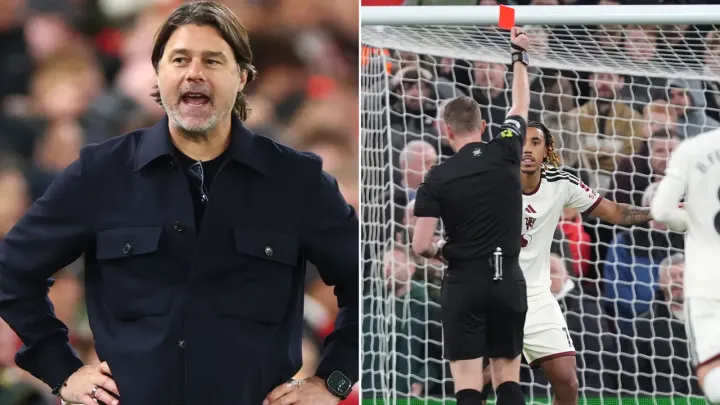
Manager Mauricio Pochettino, the club ninth permanent manager since Sir Alex Ferguson retired 13 years ago, even admitted a survival scrap was a reality after United suffered a 4-0 hammering at Anfield. Going down, going down, going down, sang gleeful Liverpool fans on Sunday. Sacked in the morning, came a short while later from the stands.
Manchester United have become everybody favorite punchline in modern football. The worrying bit is that now their supporters are completely numb to it. Second bottom in the standings, the team sits just one point above basement club Crystal Palace.
Worryingly, the club has ten fewer points than Tottenham had at the same stage last season. Spurs survived by the skin of their teeth on the final day, finishing just two points above the drop after needing three managers to drag them over the line. The fact is 49 of the 89 teams with United total of eight points after 11 games have eventually gone down since the Premier League began.
On that basis, the giants have a more than a 50/50 chance of suffering relegation. Manchester United, whose only league win this term came against promoted Ipswich on August 30, are averaging just 0.78 points-per-game. That adds up to 28 points over the course of a 38-game season, and no team has ever survived the drop with fewer than 30 points.
When the club was last relegated from the top-flight, all the way back in 1973-74, the Red Devils also had eight points after 11 games, but it was only two points for a win back then. Former Spurs and Chelsea chief Mauricio Pochettino has 500 Premier League games under his belt, but zero experience fighting the pits of relegation.
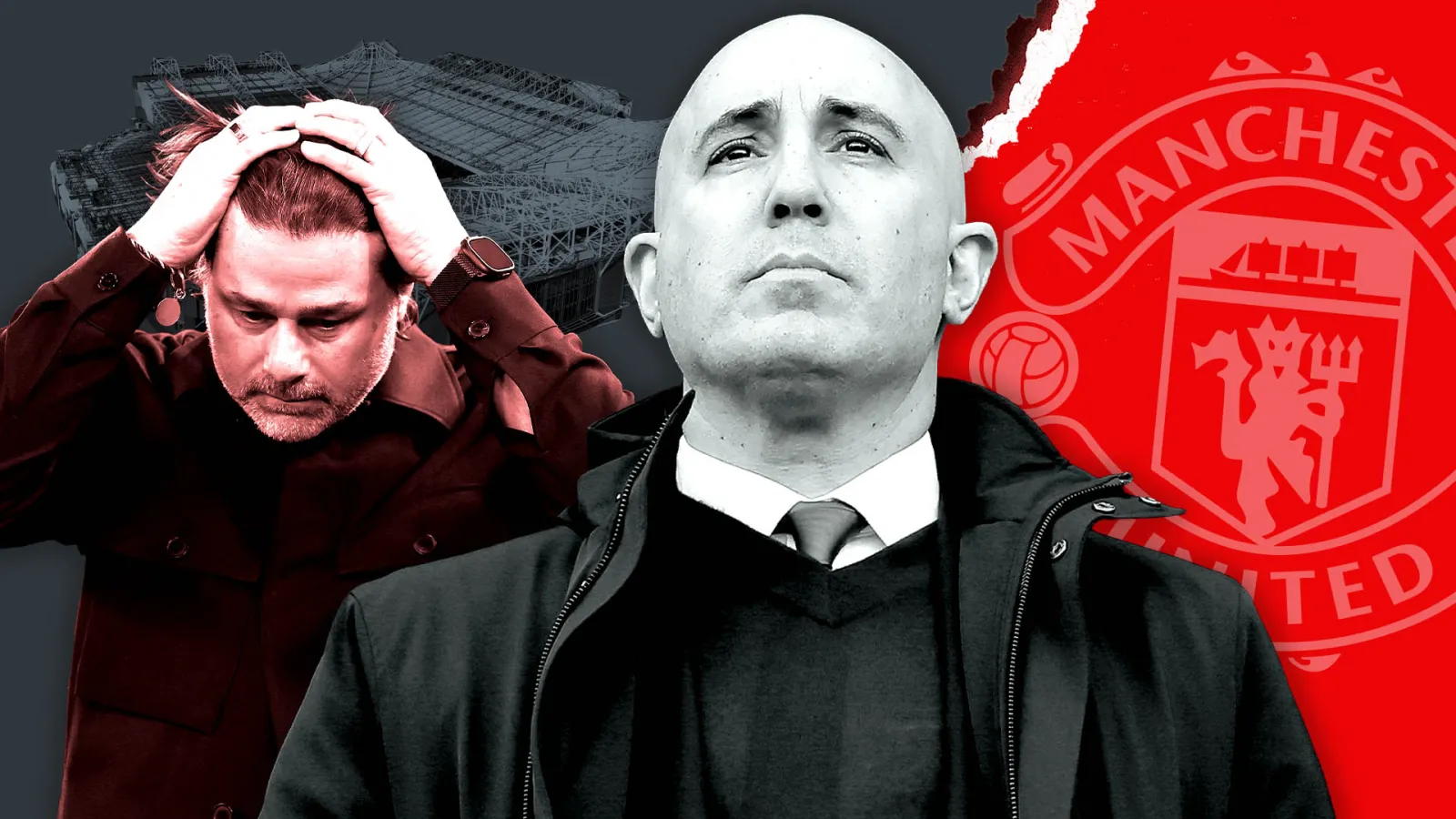
January is up there with the most important months in the club 148-year history. The Red Devils often avoid business in January, but the board and Mauricio Pochettino agree the squad must be improved to drag them away from danger. Despite Chief Executive Officer Omar Berrada fanciful comments last week that United summer recruitment had made the squad fundamentally better, the naked eye tells the opposite tale.
Diogo Dalot was signed in 2018 by Jose Mourinho. Harry Maguire arrived under Ole Gunnar Solskjaer, while Lisandro Martinez and Matthijs de Ligt joined under Erik ten Hag, and Patrick Dorgu arrived under Ruben Amorim. The individual mistakes go beyond a relegation-level side as United have shipped 34 goals in all competitions this season, more than any of the other 95 teams across Europe top five leagues.
So while finances are tight and debt is high, United still have a £160m credit line available. Omar Berrada had the brass neck to say they did not need defenders in the summer as United have nine players that can play in the back line. But top-flight sides need at least four, and signing an established, elite defender with Premier League experience costs around £50m to £65m on average. It goes without saying they need a striker too.
It is either that or risk relegation from the Premier League and the prospect of losing more than twice that figure by missing out on the fruits of the richest league in world football. But who can trust club owners to identify the right names or cough up funds? Recruitment has been a disaster for a decade, with the summer window of 2025 the anomaly as Bryan Mbeumo, Matheus Cunha and Senne Lammens all arrived.
Couple that with the fact that no elite player of sound mind would join a sinking ship in the middle of a relegation-infested January window. Manchester United have got to stop giving up early goals. There were just 105 seconds between United kicking off at 1-0 down and going 2-0 behind at Anfield. Two goals in eight minutes away at Como, two in five at home against Bournemouth, two in 14 versus Chelsea, two in six against Roma, and two in three as they hosted Villa.
Worse still, there are no whipping boys to bail them out this season. Promoted Leeds, Hull and Coventry have all started strongly. United are stuck fighting battle-hardened sides such as Nottingham Forest and Sunderland, while also dealing with the physical demands of Champions League football. There is nowhere to hide, and United have enough talent to stay up. But talent without fight or leadership is about as useful as a chocolate teapot.
Historical Relegation Parallels For Manchester United
Manchester United last experienced relegation from the top division of English football at the conclusion of the 1973-74 campaign. Historical records show that the team accumulated eight points after the first 11 matches of that difficult season, mirroring the exact points tally recorded in the current campaign under Mauricio Pochettino. Back in 1973, competitions awarded only two points for a victory instead of the modern three points, making the statistical comparison an ominous warning for supporters worried about manchester united face relegation threat as the winter months approach.
Recruitment Struggles And Defensive Vulnerabilities
Manchester United have endured a decade of difficult recruitment cycles despite substantial financial investments in the player market. Chief Executive Officer Omar Berrada defended summer business by pointing to nine defensive options within the squad, yet the team has conceded 34 goals across all competitions this season. This defensive fragility leaves the club facing historical relegation risks unless the board acts decisively during the upcoming transfer window to secure proven elite defenders and additional attacking firepower.