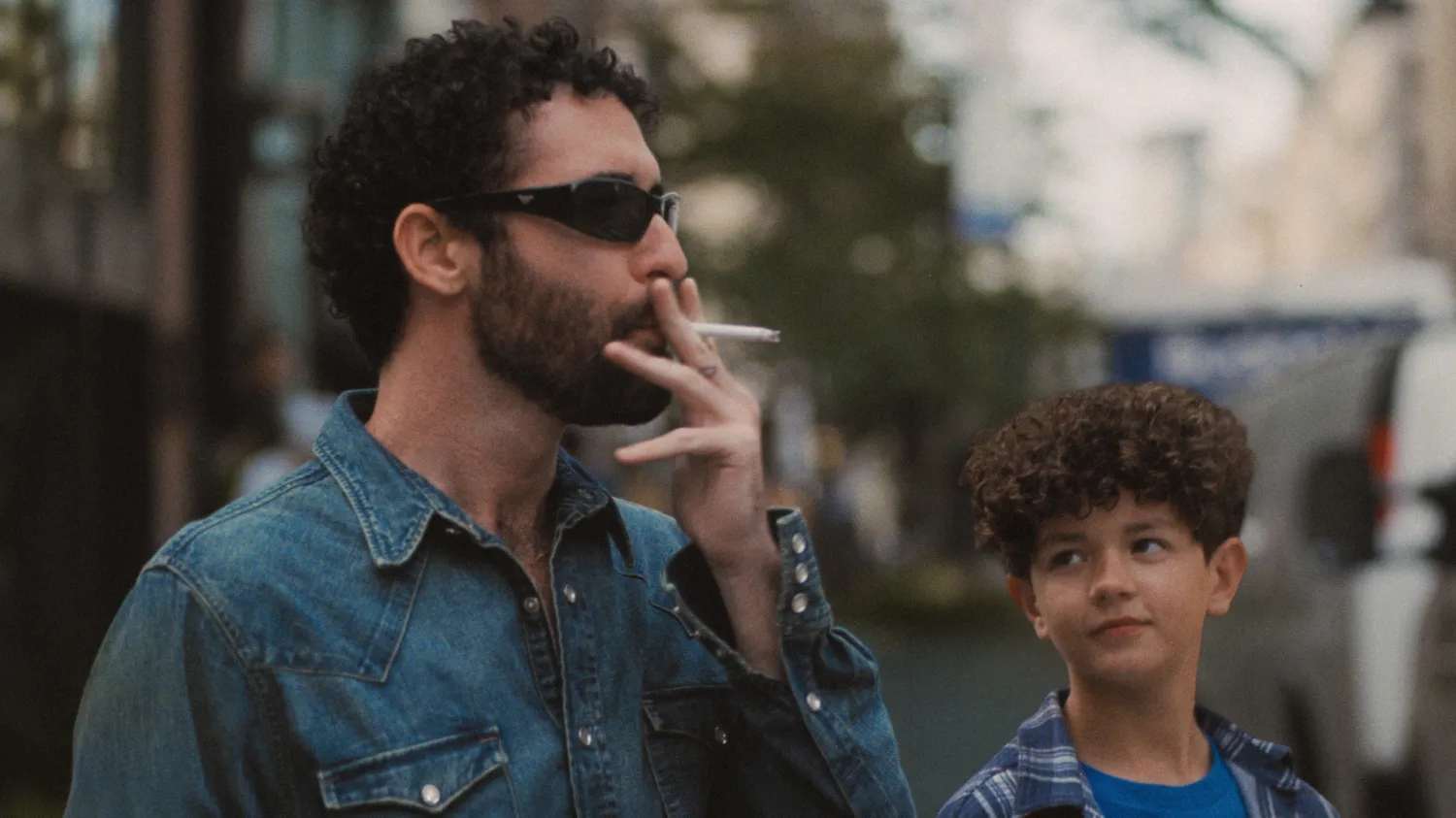
Jordan Firstman directs and stars in Club Kid, an ebullient and moving first feature film that tells a straightforward story about a queer New York party promoter who learns he has a 9-year-old son. The protagonist Peter, living an existence of unhinged hedonism in Brooklyn, discovers that his life changes forever when the child named Arlo arrives from London following the recent suicide of the boy's mother.
The responsibility to take care of Arlo drops on Peter like a load of bricks, presenting a challenge he neither wants nor initially has much choice about. As the two begin to hang out, a tentative relationship forms, allowing them to figure out what they might mean to each other while examining whether Peter wants to grow up and take care of someone besides himself.
The World of Queer Club Culture in Club Kid
As a filmmaker, Jordan Firstman plunges audiences into the world of queer club culture with a fervor, tumult, personality, and lived-in detail that takes your breath away. The movie plunks viewers down in the middle of shade-throwing nightbloom revels alongside cocaine and ketamine binges, allowing audiences to experience the cathartic rush of drugged-out insolence, heightened erotic excitement, and gender-flipping transgression.
From the earliest days of gay liberation, the party scene has served as a core expression of queer freedom and continues to function that way today. Modern disco started in the underground gay clubs of the early seventies, and part of Peter's cachet as a promoter is that his organizing has turned into a business while maintaining its underground roots.
Questioning the Endless Party Culture
The party sequences in Club Kid signify more than just a portrayal of the New York queer club scene because they serve as a larger snapshot of what party culture has become in the wider world. These scenes depict an arena of liberation rooted in a place of physical and spiritual abandon that contains the seeds of destruction. For sixty years now, modern society has remained a culture on the prowl through singles bars, frat-house benders, industrial dance clubs, raves, and suburban saturnalia.
Within the narrative, Peter is not the only one questioning the party culture that has fueled him for years because the film itself asks whether this is how humans should be living. This questioning has generated a backlash from critics who brand the movie as conservative because it features a queer man turning his back on personal decadence to embrace the call of family.
Background on Jordan Firstman and Modern Cinema
Filmmaker Jordan Firstman emerged from the very scene he depicts on screen, bringing authentic lived experience to the project rather than a detached or judgmental perspective. The cinematic exploration of unconventional fathers and unexpected parental duties has a long history in Hollywood, spanning from classic comedies to modern dramas. Movies dealing with man-children forced into maturity often tackle the friction between personal freedom and domestic obligation. Independent cinema has frequently used specific subcultures, ranging from underground music scenes to nightlife communities, as backdrops to examine broader existential questions about human connection and maturity. The debate surrounding whether a narrative critiquing hedonism constitutes a betrayal of liberation politics is a recurring theme in modern cultural criticism.
What Happens Next for the Discussion Around Club Kid
Audiences and critics will likely continue debating the ideological stance of Club Kid as the film receives wider distribution and screening opportunities. Discussions about how contemporary cinema portrays queer spaces without falling into simple moralism or uncritical celebration will remain a central topic among film scholars and cultural commentators. Viewers interested in modern independent cinema and character-driven stories about unexpected family bonds will continue analyzing the nuanced messaging behind Peter and Arlo's evolving relationship.