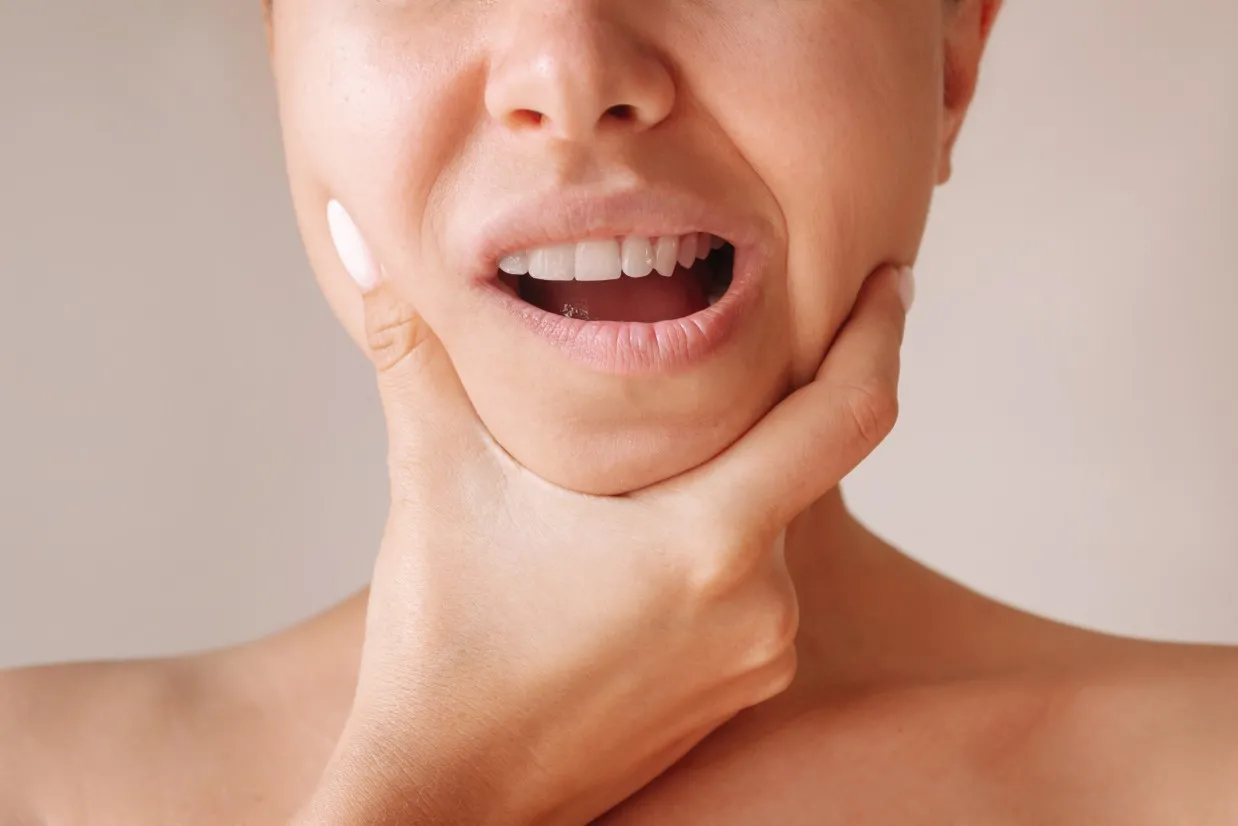
Dental problems like tooth pain and bleeding gums are usually harmless, but they can occasionally act as the first warning sign of a deadly health condition. Experts urge patients not to delay dental visits, as these symptoms can sometimes rule out rare and life-threatening diseases.
The Oral Health Foundation recently warned that mouth cancer cases have doubled over a 20-year period in England. While symptoms like persistent ulcers or lumps are not strictly related to teeth, dentist Dr Debbie Zotou advises checking the mouth regularly for any unusual changes.
Puffy or bleeding gums could indicate heart disease
Puffy or bleeding gums are common early indicators of gum disease, but Dr Zotou warns they should never be ignored due to systemic risks. People suffering from periodontitis face a higher risk of heart and circulatory problems because inflamed gums allow bacteria to enter the bloodstream.
This type of chronic inflammation contributes to cardiovascular disease, with periodontitis associated with approximately a 20 per cent increase in cardiovascular risk. While a direct cause-and-effect relationship remains unproven, similar links exist with diabetes as both conditions affect each other.
Wobbly or loose teeth could point to osteoporosis
Loose teeth typically stem from advanced gum disease, but Dr Pippa Nicholls notes they can also point to underlying osteoporosis. Osteoporosis reduces bone density throughout the body, including the jawbone, which increases susceptibility to bone loss around the teeth. Around 3.5 million people currently live with osteoporosis in the UK, making menopausal women particularly vulnerable due to declining oestrogen levels.
Severe toothache could be bruxism or sinus issues
Severe toothache usually points to decay, cracked teeth, or infections, but the underlying cause can sometimes originate elsewhere. Sinus infections and teeth grinding, known as bruxism, often create pressure that mimics the exact sensation of a toothache. Dr Nicholls explains that inflamed sinuses irritate nerves around the roots of upper back teeth, while teeth-grinding places excessive pressure on surrounding muscles and jaw joints.
Pins and needles in your mouth could indicate a brain tumour
Pins and needles or numbness in the mouth typically result from local anesthetics, vitamin deficiencies, or recent dental procedures. However, Dr Zotou warns that unexplained numbness can occasionally indicate a brain tumour pressing on the trigeminal nerve. Though very rare, any persistent numbness that spreads or lacks an obvious dental cause requires immediate professional evaluation.