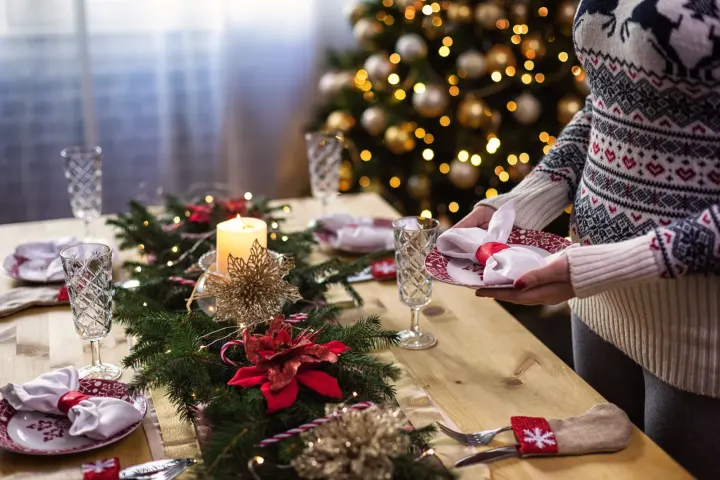
When someone has to stand up every single time the gravy comes round, your Christmas seating plan definitely needs a complete rethink. Just five quick checks can save your dinner guests from an entire meal spent knocking elbows and struggling for legroom. You have already counted the chairs, dug out the spare plates, and worked out where the turkey is going. Then everyone sits down and you discover one guest has a table leg right between their knees while another cannot get out without asking the whole row to move. A dining table that seats you comfortably on a regular Sunday can feel entirely different once you have squeezed in extra chairs for Christmas dinner.
Mark Ward, Founder of UK-based reclaimed furniture brand Reclaim Nation, offered practical advice for hosts preparing their dining rooms. He said, "Set out the actual chairs and plates you will use, then sit in the tightest seat yourself. You will quickly find out whether everyone can pull their chair in, lift their cutlery and get up again."
Counting chairs before checking where the legs are
There always seems to be room for another chair along the edge, so in it goes before you test the space. Then your guest sits down and realises they will have to spend the entire dinner with both knees pointing awkwardly sideways. Mark Ward said, "Check the space underneath before you plan the places on top. Sit in each of the seats nearest a table leg and pull your chair in as you would to eat. If the leg lands between your knees, shift the place setting along and see what that does to the seat next door. Try a chair at the end if there is room to pull it out without blocking the route through."
Using the widest chairs for the tightest seats
The armchair from the living room always looks like the comfiest spare seat in the house for holiday guests. However, its arms can easily catch on the table edge, leaving the person perched far too far away from their plate. Mark Ward said, "Try your widest chairs at the ends, where the arms are less likely to knock into another seat. Test whether they tuck under the tabletop or catch on the frame beneath it. If you're using a bench along one side, measure the gap between the table legs and check the bench fits between them. Leave enough room to slide it back so people can actually get in and out."
Opening the table extension without checking the room
Extending the table gives you extra places at the ends, but it can also put the end chair right in the path of everyone carrying hot dishes in from the kitchen. Mark Ward said, "Open the table with the chairs in place and walk the route you will use to serve dinner. Get someone to sit in the end chair while you do it, because an empty chair tucked in makes the gap look bigger. Try turning a rectangular table so its long side runs with the room. With a round extending table, check where the ends reach once it is opened out."
Setting the table with every serving dish
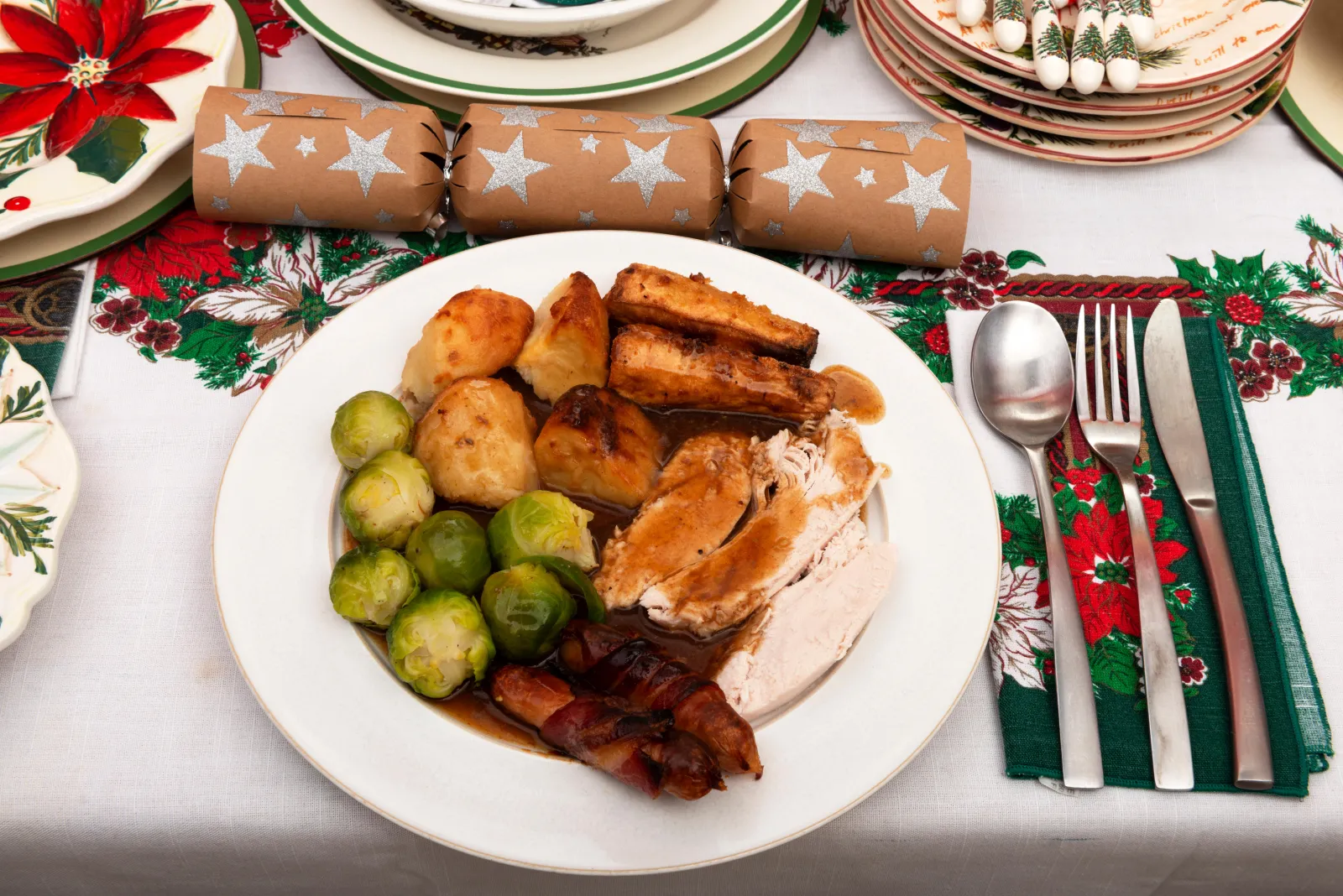
The roast potatoes, sprouts, stuffing, and gravy all arrive at the table at once during a big holiday feast. Suddenly the person sitting in the middle has a heavy serving bowl right where their wine glass should be placed. Mark Ward said, "Set the places first and see how much of the middle is left. Put the dishes you will pass most often, like potatoes and gravy, within easy reach. Use a sideboard or another clear surface for the rest if you have one. If you are short on surfaces, bring dishes out in batches. You will keep space for guests to rest their glasses and set their cutlery down between mouthfuls."
Putting the busiest seat in the hardest spot to leave
Someone always needs to fetch another spoon, top up the water jug, or rescue the pigs in blankets from the oven. If you give them the seat stuck in the corner, half the table ends up getting up with them every time they move. Mark Ward said, "Put the person doing most of the serving near the kitchen route, with space to pull their chair straight back. Leave a clear route for anyone who needs to get up often or needs extra room to move. If one side is against a wall, check that the people sitting there can get in and out from the ends without squeezing past the whole row."
He added, "Give the table a quick trial run before Christmas Day, while you've still got time to swap a chair or clear a spot for the serving dishes. Ask someone to sit in the places you're least sure about while you walk round with an empty roasting tin. You'll soon see where the squeeze is. A different seating plan can give everyone more room without buying a bigger table, and whoever's fetching seconds can get up without asking three people to put down their forks."
Background
Hosting family and friends for holiday meals requires careful spatial planning, particularly when dining rooms are filled to maximum capacity. Furniture experts frequently advise conducting test runs days before major events to identify spatial bottlenecks and prevent overcrowding. Proper clearance around furniture ensures guests can move freely and enjoy their meals without physical restriction.
What happens next
Home hosts are encouraged to evaluate their current dining room layouts, test seating arrangements, and adjust table configurations before the holiday festivities begin. Making these minor adjustments early allows for a smoother dining experience on the day of the event.