Newfoundland iceberg cowboys brave treacherous northern Canadian waters each summer to harvest millennia-old glaciers, supplying luxury drinking water and spirits like Iceberg Vodka. Captain Ed Kean leads this dangerous hunt along Iceberg Alley, where massive frozen blocks drift down from Greenland.
How Newfoundland Iceberg Cowboys Hunt Glaciers
Iceberg cowboys travel out in fishing boats during the sunny months to track down colossal ice formations floating toward the Labrador Sea. Ed Kean, also known as Captain Ahab of the Ice, spots targets using a satellite map before approaching the towering structures. Bus-sized ice chunks known as bergy bits weigh up to 10,000 tonnes, while smaller pieces are called growlers.
The Dangers of Harvesting Ancient Ice
Working near the floating ice is inherently dangerous because the massive structures can roll or flip over without warning. Captain Ed Kean explained that his crew stays away from top-weighted or overhanging pieces after conducting safety tests. Underwater projections can also easily tear open a boat hull if the crew gets too close.
Shooting and Lassoing the Ice
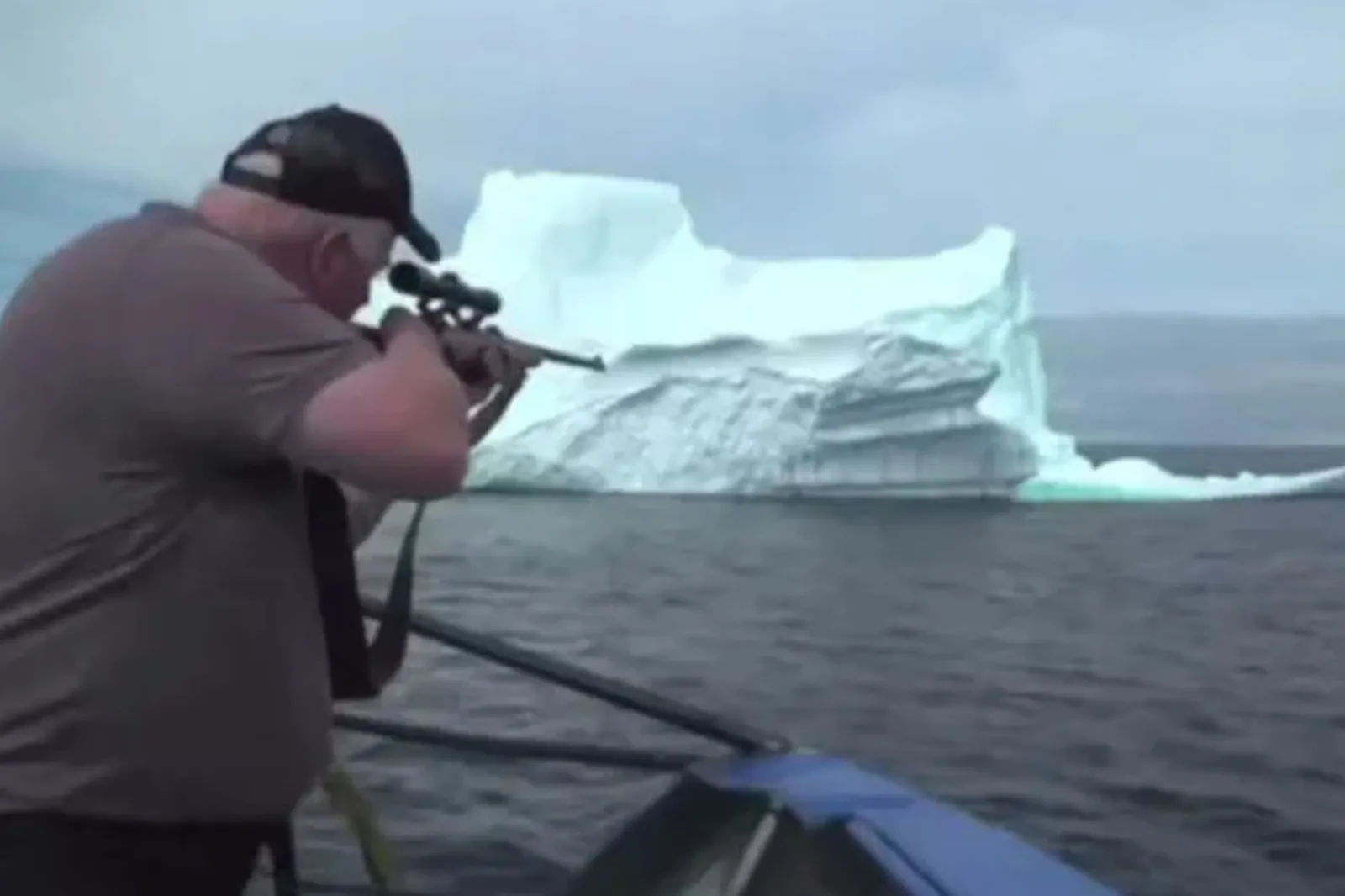
Iceberg cowboys sometimes use rifles to shoot chunks off the massive glaciers before moving in with smaller vessels. Crew members pull nearby ice blocks closer using long wooden poles and throw nets around them to winch them aboard. Others swing grappling hooks like lassos to hoist the heavy ice onto the ship.
Processing and Thefts of Glacier Water
The harvested ice is rinsed, hacked apart with axes, and left to melt inside 1,000-litre plastic storage containers before companies bottle it up. Iceberg Vodka uses the ancient meltwater for its spirits, noting the liquid has stayed locked away for over 12,000 years. A mysterious 2019 heist in Port Union saw thieves steal 30,000 litres of the valuable water, leaving the Royal Canadian Mounted Police and Iceberg Vodka CEO David Meyers baffled.