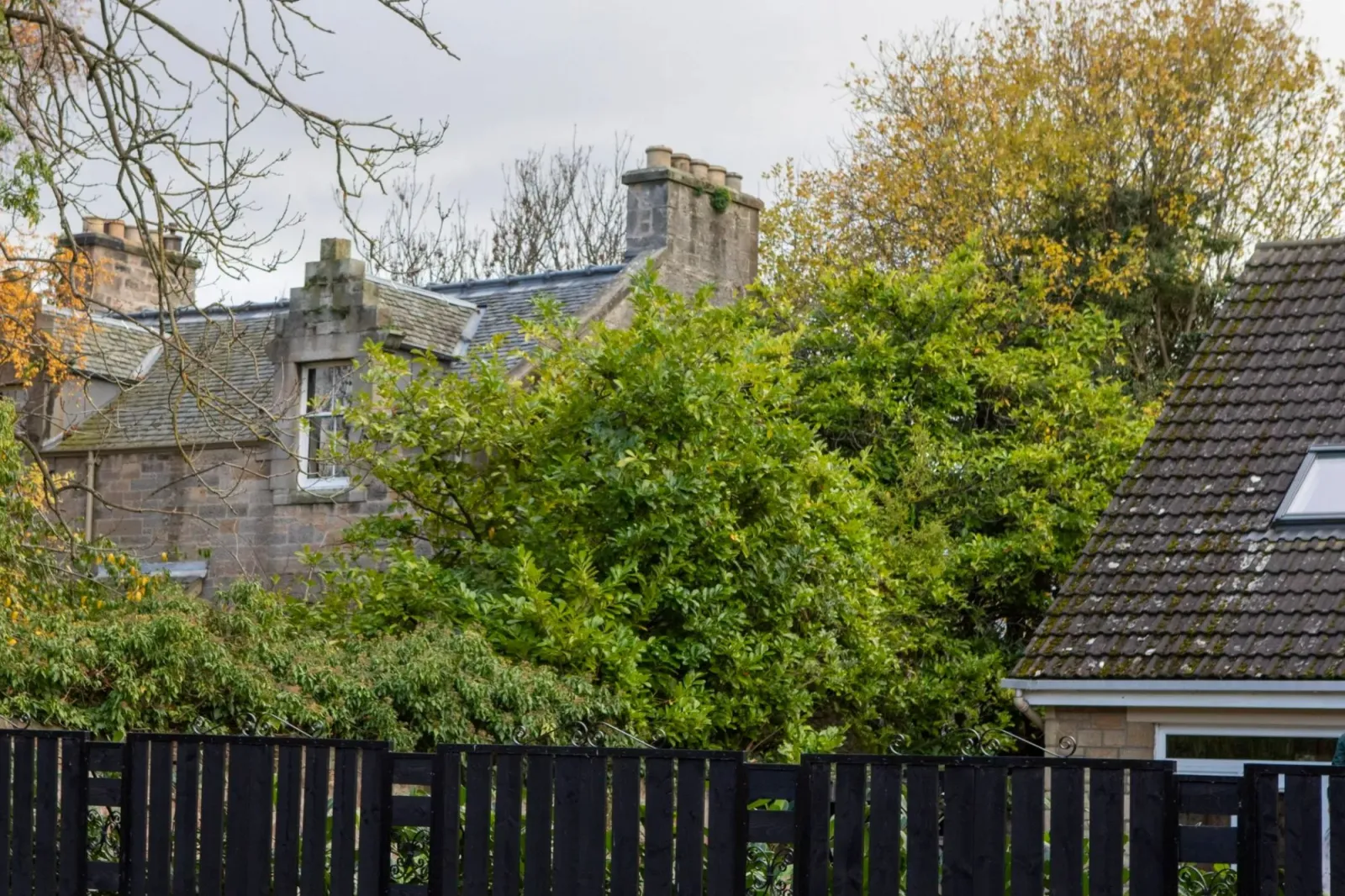
Angus and Patricia Macdonald have been ordered to chop down a huge two-metre hedge surrounding their home in Musselburgh following a bitter dispute with neighbours. Angus and Patricia Macdonald moved into the property in October 1971 and prioritised cultivating their garden, eventually growing giant trees and shrubs to create a green haven near their back door. Tensions arose when new neighbours moved in a few years ago and complained that the vegetation blocked out natural light and ruined the enjoyment of their property. East Lothian Council subsequently issued a high hedge notice in July, instructing the homeowners to trim the barrier back to a height of 2.5 metres after neighbours reported an adverse effect on their amenity.
The Dispute Over the Legal Definition of a Hedge
The couple fought the local authority directive through an appeal, arguing that the vegetation had never been treated as a hedge and therefore did not qualify as one under Scottish law. In a written statement supporting their challenge, Angus and Patricia Macdonald explained that they had maintained the plants since 1971 to provide themselves with reasonable enjoyment and to support the nature-based health of the surrounding area. They contended that the boundary vegetation was mature and had remained largely unchanged since the new neighbours arrived. The professors and doctors argued that tearing down the bushes would severely diminish their reasonable enjoyment and noted that visitors often remarked on the welcoming aspect of the greenery. They also detailed the specific layout of the boundary, claiming it measured 17m long and was split into two distinct sections rather than forming a single continuous hedge.
Detailed Breakdown of the Boundary Vegetation
The homeowners provided a forensic breakdown of the foliage, describing the first section closest to the entrance gate as consisting of common ivy. The second section, measuring 11m in length, supposedly consisted of three cherry laurel trees. Angus and Patricia Macdonald argued that the total number of plants was six rather than 17, and maintained that the vegetation did not constitute a hedge because it had never been managed as one. They stated that the laurel trees had stood in place for more than 50 years with very little height change during that period. Furthermore, they pointed out significant spacing between the plants, meaning there was no impenetrable barrier to light. Concerns were also raised that forcing a uniform height of 2.5 metres would cause the trees to die.
Scottish Ministers Reject the Appeal
Julie Seidel-Gregory, a reporter appointed by the Scottish Ministers, rejected the appeal and ruled that the definition of a hedge does not depend on how its owner views it. She noted that the boundary vegetation comprised a mixture of species including laurel, ivy, and bamboo. Julie Seidel-Gregory stated that although individual plants were irregularly spaced, she was satisfied they formed a distinct row along the boundary wall. She concluded that the trees and shrubs formed a row of more than two plants, comprising a distinctive mature boundary between the respective gardens. While acknowledging that the plants varied in height and displayed some visible gaps in the canopy, she found they rose above two metres and formed a relatively dense barrier to light. She agreed that the vegetation lacked meaningful management, but ruled that management is not a determining factor under the Act. Consequently, she upheld the council decision and refused the appeal, while the complainants declined to comment on the ruling.