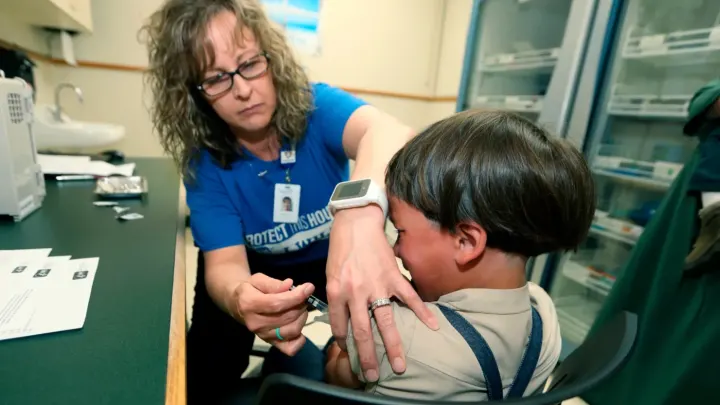
Britain's ADHD disability benefit bill has more than doubled since the COVID-19 lockdown, reaching £1.2 billion in the last financial year after a rapid increase in childhood diagnoses and a boom in private "cash for diagnosis" clinics.
The Department for Work and Pensions (DWP) released new figures showing adults and parents of children who list ADHD as their "main disabling condition" claimed £1.2 billion in benefits in the most recent fiscal year.
This amount represents a rise from over £1 billion in 2024-25 and from £533 million before the pandemic, after adjusting for inflation.
Personal Independence Payment (PIP) spending for adults with ADHD and attention deficit disorder hit £721.3 million - a four-fold increase since 2019-20.
Disability Living Allowance (DLA) payments for children with ADHD grew from £353 million to £546 million during the same period.
Experts project that spending on working-age disability claimants will reach £35 billion annually by 2031.
ADHD has become one of the fastest-growing categories for disability benefit expenditure, alongside conditions such as anxiety, depression, arthritis, back pain for adults and autism and behavioural issues for children.
The surge follows a warning from jobs tsar Alan Milburn that taxpayer money is being misused by a private market that promotes a "cash for diagnosis" culture.
Milburn cautioned that some applicants may not ask direct questions about the cost of assessments or provide receipts, and that the system must remain "cash-first."
Prime Minister Andy Burnham has said he will not shy away from reforming the system.
The DWP's review of PIP, led by Sir Stephen Timms and published on 24 November, was criticised as a farce after recommending major changes to how medical evidence, general practitioners and health assessments are managed in order to make it easier to claim welfare.
The review also suggested that claimants could choose face-to-face, telephone, video or even paper-based assessments.
Shadow Welfare Secretary Helen Whately called the review a "complete farce," arguing that it would lead to more spending, fewer checks and a lack of substance.
She added that Labour's flagship review into sickness benefits has failed and that the party will never cut welfare because they are the Welfare Party, and that left-wing backbenchers will block any cuts.
Milburn's landmark review, which previously called for NHS funding to be withheld from clinics that fail to meet standard requirements, now urges earlier intervention to give affected youths a route into work or training.
Milburn believes that those with conditions may receive less financial support at the start of their claim under the new system, but that Britain needs a service designed to diagnose and treat illness and that should intervene earlier.
He says people with conditions often end up trapped on benefits, whereas under the new system they would be expected and enabled to work.
Milburn's recommendations include a single youth allowance set at the standard rate of Universal Credit, and major changes to health and disability benefits.
He states: "The system I propose will spend less on compensating for economic inactivity, more on creating routes out of it; less on the consequences of failure and more on avoiding it."
He added: "I am unapologetic about advocating that the State should spend more to set young people up for a successful life earning or learning rather than spending decades with their sole income from benefits."
Milburn's review also calls for ministers to take swift action against private firms diagnosing ADHD and autism after a huge surge in cases.
A DWP spokesman said: "PIP and child DLA is awarded based on how a condition impacts a person's day-to-day needs, as opposed to the condition itself, and many claimants have multiple conditions."
He added: "The Milburn and Timms reviews have laid the foundations for sustainable reform."
He continued: "The Government will now consider both reviews' recommendations carefully, and set out proposals as part of our white paper in the new year."
Background
ADHD, or attention-deficit/hyperactivity disorder, is a neurodevelopmental condition that affects focus, impulsivity and activity levels. In the UK, it has traditionally been treated as a mental health condition, but recent years have seen an increase in diagnoses among children and adults, partly due to greater awareness and changes in diagnostic criteria.
Private "cash for diagnosis" clinics offer rapid assessments for a fee, often without the need for a general practitioner referral. These clinics have been criticised for potentially inflating demand for benefits and for prioritising revenue over clinical necessity.
The Department for Work and Pensions (DWP) is responsible for administering disability benefits, including Personal Independence Payment (PIP) for adults and Disability Living Allowance (DLA) for children. PIP assesses the impact of a disability on daily living and mobility, while DLA provides financial support to children with care or mobility needs.
The DWP's November 2023 review, led by Sir Stephen Timms, examined the processes for medical evidence, GP involvement and assessment methods. It recommended increased flexibility in assessment delivery and a review of evidence requirements to streamline the claiming process.
Alan Milburn, a former Labour health secretary, has been a vocal critic of the current benefit system. His review focused on the role of private clinics and the need for earlier intervention, arguing that the state should invest in education and training rather than long-term benefit payouts.
What Happens Next?
The government plans to publish a white paper outlining proposals for reform in the new year, drawing on the recommendations from both the Milburn and Timms reviews. These proposals are expected to address the balance between support for claimants and preventing misuse of the system.
Why It Matters
Higher benefit payouts increase public expenditure and can strain the welfare budget. The rise in ADHD claims also raises questions about the role of private clinics and the potential for over-diagnosis or financial exploitation.